Ultimate Guide to Shinjuku
Tokyo’s Dynamic Heart of Entertainment, Shopping, and Culture
Standing in the heart of Tokyo, Shinjuku is a dazzling testament to Japan’s modernity while still preserving pockets of traditional charm. As one of Tokyo’s most vibrant districts, it perfectly embodies the city’s dynamic spirit – from towering skyscrapers and neon-lit entertainment districts to serene gardens and historic temples. This comprehensive guide will help you navigate this exciting district like a local.
Key Points of Interest:
– Shinjuku Gyoen National Garden
– The neon-lit streets of Kabukicho
– Tokyo Metropolitan Government Building
– Golden Gai’s historic alleyways
– Historic Hanazono Shrine
The Modern Face of Shinjuku: Skyscrapers and Shopping
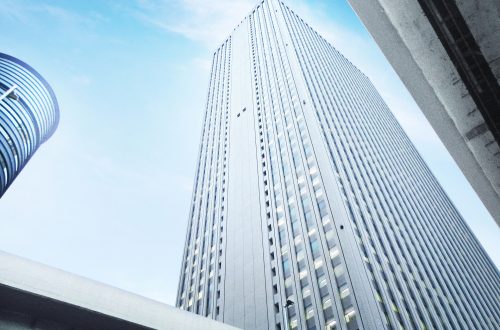
Walking through the west side of Shinjuku Station, you’re immediately greeted by a forest of skyscrapers that define Tokyo’s modern skyline. The area around the station has evolved into one of Asia’s largest shopping and business districts, where millions of people transit daily. The massive department stores like Isetan, Lumine, and Takashimaya offer everything from high-end fashion to traditional crafts, while underground malls provide endless exploration opportunities.

Shopping Paradise: Where Fashion Meets Tradition
The shopping experience in Shinjuku is unparalleled, with each area offering its own unique charm. The massive Isetan department store stands as a beacon of luxury shopping, its carefully curated floors showcasing both international brands and Japanese designers. For electronics enthusiasts, the Yodobashi Camera complex is a multi-story paradise of gadgets and technology. Budget-conscious shoppers will find joy in the numerous 100-yen shops and fashion outlets scattered throughout the district.
The underground shopping malls, particularly the Subnade and Metro Promenade, provide welcome relief during rainy days or hot summers. These atmospheric shopping streets are filled with local boutiques, cafes, and specialty stores that cater to both tourists and locals alike. The experience of navigating these underground passages, with their unique blend of convenience stores, fashion boutiques, and traditional Japanese crafts shops, is quintessentially Tokyo.
Business District Highlights
The west side of Shinjuku is dominated by the impressive Tokyo Metropolitan Government Building, whose observation decks offer free panoramic views of Tokyo. The surrounding area is home to many of Japan’s corporate headquarters, creating a striking architectural landscape. During weekdays, this area buzzes with office workers, but come evening, the numerous izakayas (Japanese pubs) and restaurants fill up with locals unwinding after work.
Entertainment and Nightlife: The Electric City After Dark
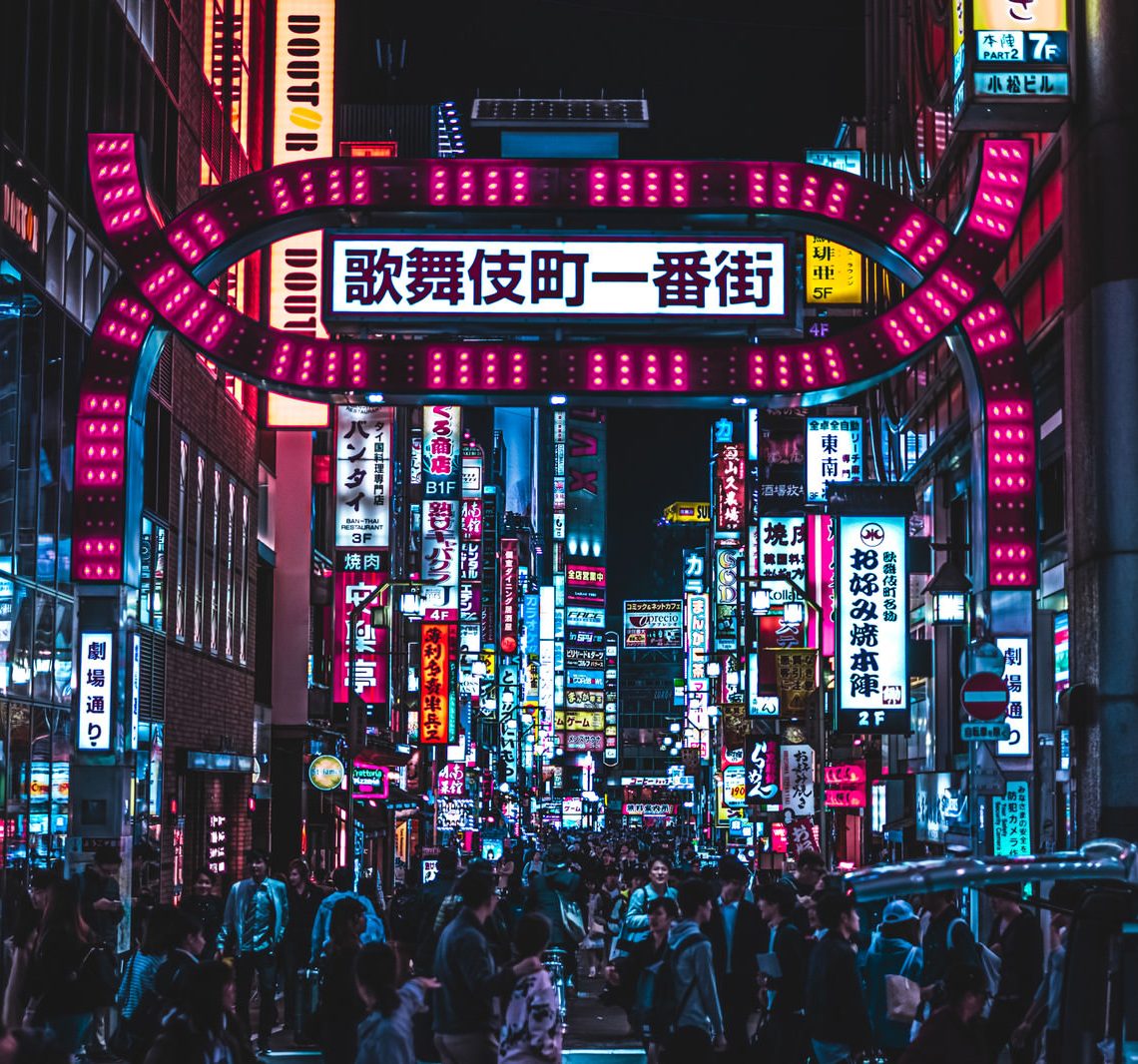
As the sun sets, Shinjuku transforms into an entertainment paradise. The famous Kabukicho district comes alive with its iconic neon signs, creating a photogenic urban landscape that has inspired countless films and anime. This is Tokyo’s largest entertainment district, home to countless restaurants, karaoke rooms, movie theaters, and gaming centers.
Golden Gai: A Glimpse into Old Tokyo
Nestled in the heart of modern Shinjuku, Golden Gai is a network of six narrow alleys packed with over 200 tiny bars and eateries. These two-story buildings have survived since the post-war period, offering an authentic glimpse into Tokyo’s past. Each bar has its own unique theme and atmosphere, from whiskey specialists to music bars. Many are now foreigner-friendly, though some still cater exclusively to regular Japanese customers.

Culinary Adventures
From Michelin-starred restaurants to street food stalls, Shinjuku’s food scene is incredibly diverse. Memory Lane (Omoide Yokocho), also known as Piss Alley (though much more pleasant than its name suggests), offers traditional yakitori (grilled chicken skewers) and other local delicacies in a nostalgic setting. The basement floors of department stores house extensive food halls (depachika) where you can sample high-quality Japanese and international cuisine.
Cultural Heritage: Traditional Spaces in Modern Tokyo
Despite its modern facade, Shinjuku retains several important cultural sites. The Hanazono Shrine, dating back to the Edo period, provides a peaceful refuge from the surrounding urban energy. During festivals, this shrine becomes a center of traditional celebrations, offering visitors a chance to experience authentic Japanese cultural events.

Shinjuku Gyoen National Garden
This sprawling garden is one of Tokyo’s largest and most beautiful parks, featuring Japanese, English, and French gardens within its grounds. The garden is particularly spectacular during cherry blossom season in spring and when the leaves change color in autumn. It’s a perfect spot for a peaceful break from the city’s intensity.

Getting There and Around
Access to Shinjuku is straightforward via Tokyo’s excellent public transportation system. Shinjuku Station, the world’s busiest railway station, is served by:
– Multiple JR lines including the Yamanote Line
– Several subway lines (Marunouchi, Oedo, Shinjuku)
– Private railways (Keio, Odakyu, Seibu)
– Express trains to/from Narita and Haneda airports
From the station, most major attractions are within walking distance or a short train/subway ride. Signs in English are prevalent, making navigation relatively easy for international visitors.
Best time to visit: While Shinjuku is exciting year-round, spring (March-May) and autumn (October-November) offer the most pleasant weather and beautiful seasonal views in Shinjuku Gyoen.