Discover the Hidden Gems of Shimane
Your Ultimate Travel Guide to Japan’s Cultural Heartland
Experience Ancient Japan: Shimane’s Rich History and Culture
Shimane Prefecture, nestled in the Chugoku region of Japan, is a treasure trove of cultural and historical landmarks. Known for its ancient shrines, picturesque castles, and serene gardens, Shimane offers a glimpse into Japan’s rich past. From the sacred grounds of Izumo Taisha to the tranquil waters of Tamatsukuri Onsen, this guide will take you through the must-visit destinations in Shimane, ensuring an unforgettable journey through time.
Explore the Sacred Izumo Taisha Shrine
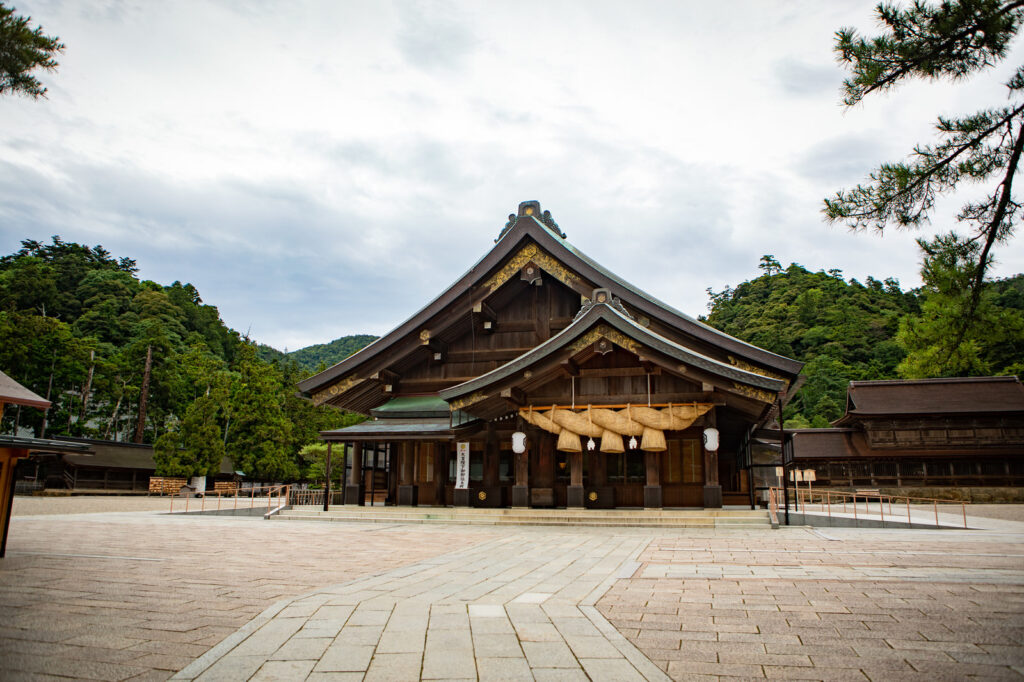
Izumo Taisha, one of Japan’s oldest and most significant Shinto shrines, is steeped in myth and tradition. Known as the “Grand Shrine of Izumo,” it is believed to be the gathering place of Japan’s eight million deities every October. The shrine’s main hall, with its majestic thatched roof, is a testament to ancient Japanese architecture and craftsmanship.
Uncover the Mysteries of Japan’s Oldest Shrine
Izumo Taisha’s history dates back to the 7th century, making it a cornerstone of Japanese religious and cultural heritage. As you walk through the torii gates, you’ll feel the weight of centuries of devotion. The honden (main hall) is particularly awe-inspiring with its unique architectural style and impressive scale. This shrine is dedicated to Okuninushi no Mikoto, the deity of marriage and good fortune, making it a popular spot for visitors seeking blessings.
Participate in Traditional Shinto Ceremonies
Visitors can observe traditional Shinto ceremonies and rituals at Izumo Taisha, which offer a fascinating glimpse into Japan’s spiritual practices. The shrine’s priests, dressed in traditional attire, perform these ceremonies daily. Participating in a prayer ritual here, known as “Hatsumode,” is a serene and spiritual experience that provides a deeper understanding of Shintoism.
How to Get There: Access to Izumo Taisha
Izumo Taisha is easily accessible via public transportation. From Izumo Airport, take a bus directly to the shrine, which takes about 25 minutes. Alternatively, if you are coming from Matsue, take the Ichibata Electric Railway to Izumo Taisha-mae Station, followed by a short walk to the shrine.
Discover Matsue Castle: The Black Castle of the Samurai
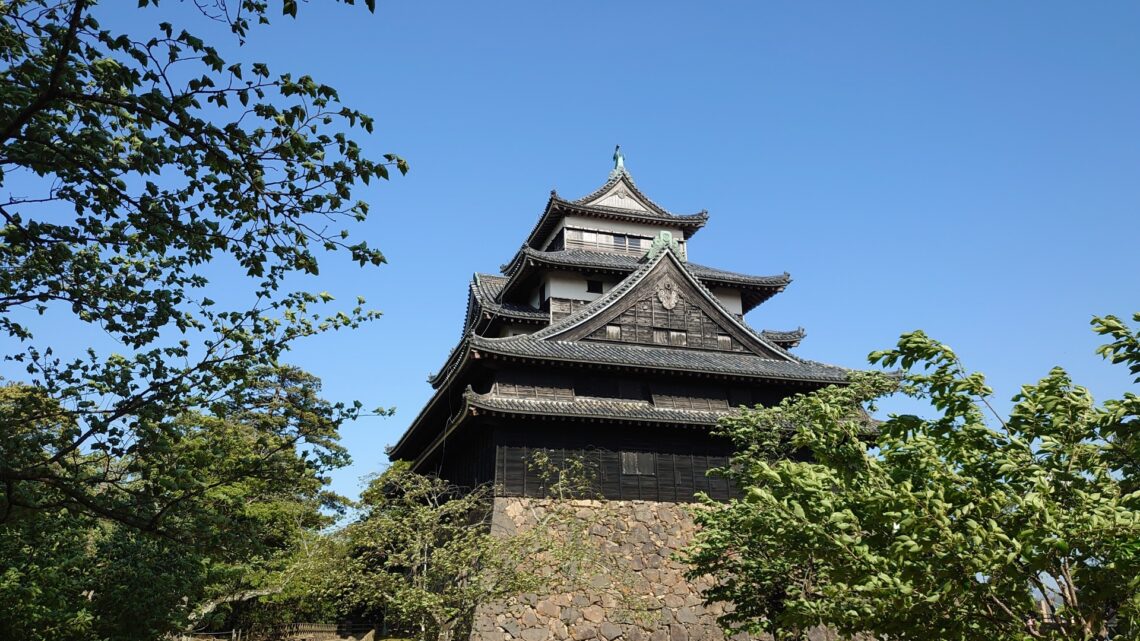
Standing proudly in the heart of Matsue City, Matsue Castle is one of Japan’s few remaining original castles. Known as the “Black Castle” due to its dark wooden exterior, it offers a rare glimpse into the life of samurai during Japan’s feudal era. The castle’s strategic location and imposing structure make it a fascinating destination for history buffs and architecture enthusiasts alike.
The History and Architecture of Matsue Castle
Constructed in 1611 by Horio Yoshiharu, Matsue Castle has withstood the test of time and remains one of Japan’s 12 original castles. The castle’s robust design, featuring defensive walls and moats, reflects the military strategies of the Edo period. Inside, you can explore various exhibits showcasing samurai armor, weapons, and historical artifacts, offering a vivid picture of the castle’s storied past.
A Scenic Boat Tour Around Matsue Castle Moat
For a unique perspective, take a scenic boat tour around Matsue Castle’s moat. These traditional boats, known as “Horikawa Pleasure Boats,” provide a tranquil way to view the castle and its surroundings. The boat ride, which lasts about 50 minutes, offers commentary on the castle’s history and the city of Matsue, enhancing your appreciation of this historical site.
How to Get There: Access to Matsue Castle
Matsue Castle is conveniently located in Matsue City. From Matsue Station, it’s a 10-minute bus ride or a 20-minute walk to the castle grounds. If you are traveling from Izumo Airport, take a bus to Matsue Station and then follow the same route.
Stroll Through Adachi Museum of Art: Harmony of Art and Nature
The Adachi Museum of Art, located in Yasugi City, is renowned for its exquisite gardens and exceptional art collections. The museum seamlessly blends traditional Japanese aesthetics with contemporary art, creating a harmonious environment that captivates visitors. Recognized as one of Japan’s best gardens, the Adachi Museum is a must-visit for art and nature lovers.

The Renowned Gardens of Adachi Museum
The gardens of Adachi Museum are meticulously designed to reflect the changing seasons, offering a picturesque view all year round. These gardens are often rated as the best in Japan, with their perfect blend of natural beauty and artistic composition. The Moss Garden, Dry Landscape Garden, and White Gravel and Pine Garden each provide a unique visual and sensory experience, inviting visitors to explore and reflect.
Famous Japanese Art Collections
Inside the museum, you’ll find an impressive collection of modern Japanese paintings and ceramics. Works by renowned artists like Yokoyama Taikan and Uemura Shoen are displayed, showcasing the evolution of Japanese art. The museum’s founder, Adachi Zenko, believed in the unity of gardens and art, and this philosophy is evident in every exhibit.
How to Get There: Access to Adachi Museum of Art
Adachi Museum of Art is accessible from Yasugi Station. A free shuttle bus runs from Yasugi Station to the museum, taking about 20 minutes. Alternatively, you can take a taxi from the station, which is a quick and convenient option.
Unwind at Tamatsukuri Onsen: A Hot Spring Paradise
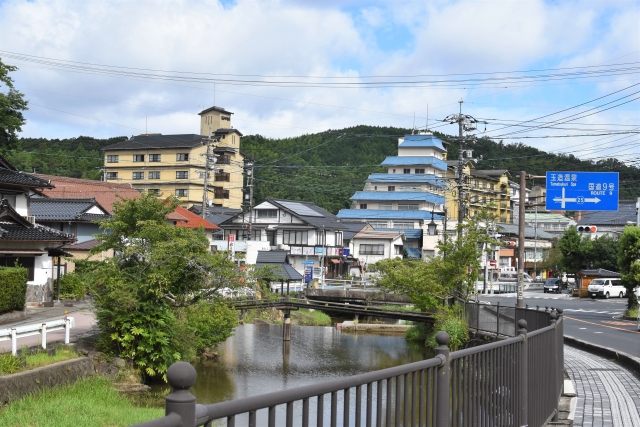
Tamatsukuri Onsen, located near Matsue, is one of Japan’s oldest hot spring resorts, famous for its healing waters. This onsen town offers a serene escape from the hustle and bustle, with luxurious ryokan (traditional inns), beautiful hot spring baths, and a tranquil riverside setting. It’s the perfect place to relax and rejuvenate.
The Healing Waters of Tamatsukuri Onsen
The hot springs of Tamatsukuri Onsen are known for their therapeutic properties, believed to promote beauty and health. Rich in minerals, these waters have been cherished since ancient times. Soaking in an onsen bath here not only relaxes the body but also nourishes the skin, making it feel smooth and rejuvenated. Many visitors come specifically for the skin-enhancing benefits of these famous hot springs.
Luxurious Ryokan Experiences
Staying in a ryokan at Tamatsukuri Onsen is an experience in itself. These traditional inns offer a perfect blend of comfort and cultural immersion. Guests can enjoy kaiseki (multi-course) meals featuring local delicacies, sleep on futons laid out on tatami mats, and wear yukata (casual kimono) provided by the ryokan. The hospitality and attention to detail make each stay memorable.
How to Get There: Access to Tamatsukuri Onsen
Tamatsukuri Onsen is easily accessible by train from Matsue. Take the JR San’in Line to Tamatsukuri Onsen Station, which takes about 20 minutes. From the station, it’s a short bus or taxi ride to the onsen town. For those coming from Izumo Airport, a direct bus to Tamatsukuri Onsen is available, taking approximately 40 minutes.