Characteristics of Hatsumode in Japan
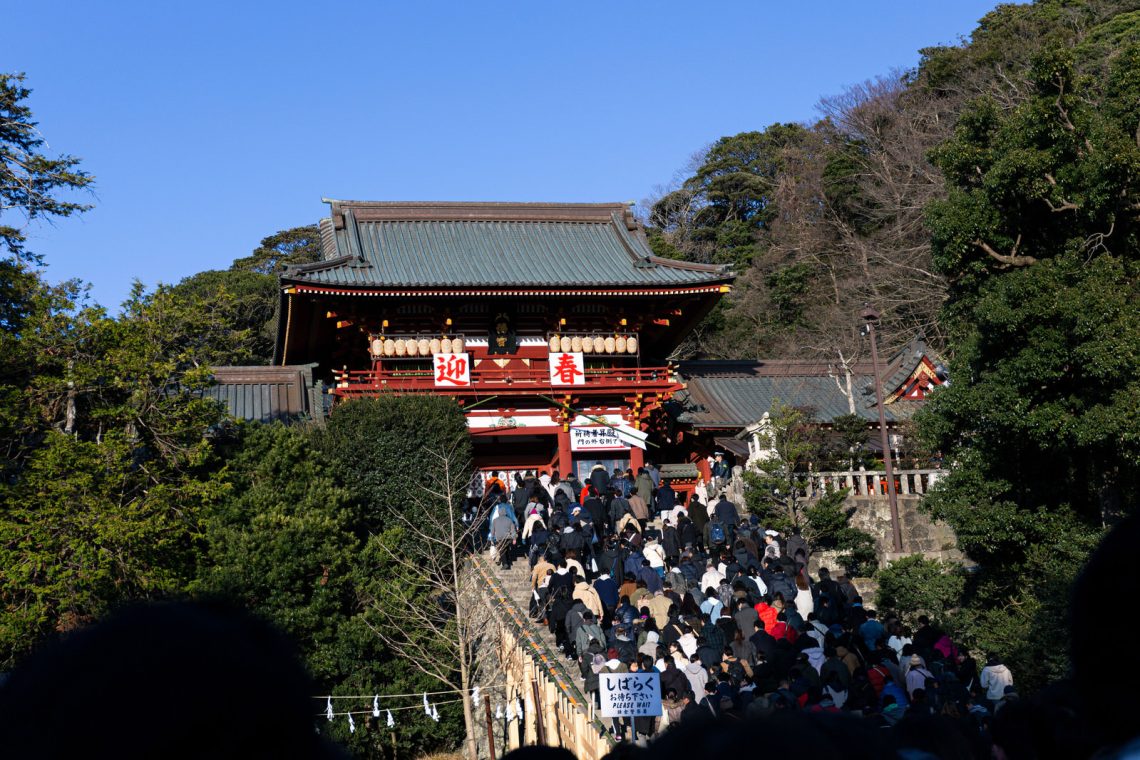
Hatsumode, the first Shinto shrine or Buddhist temple visit of the New Year, is one of Japan’s most significant cultural traditions. This centuries-old practice typically occurs between January 1-3, drawing millions of Japanese people and visitors to religious sites across the country.
During Hatsumode, visitors perform specific rituals that have been passed down through generations. Upon arriving at a shrine or temple, people first purify themselves at the chozuya (water pavilion) by washing their hands and rinsing their mouths. They then approach the main hall, where they toss a coin as an offering, ring the bell to grab the attention of the deities, bow twice, clap twice, make their prayers and wishes for the new year, and conclude with a final bow.
The atmosphere during Hatsumode is festive and communal. Temple and shrine grounds are transformed into vibrant spaces with food stalls (yatai) selling traditional New Year treats like amazake (sweet fermented rice drink), yakisoba (fried noodles), and various street foods. The air is filled with the aromatic blend of incense, grilled food, and winter air.
A crucial element of Hatsumode is the purchase of new omamori (protective amulets) and the return of old ones from the previous year. People also draw omikuji (fortune papers) to gain insight into their prospects for the coming year. These fortunes range from dai-kichi (excellent luck) to kyo (bad luck), covering various aspects of life such as business, love, health, and academic success.
Many visitors dress in traditional attire, with some women wearing beautiful kimonos and men donning hakama. This adds to the cultural authenticity of the experience and creates stunning photo opportunities against the backdrop of historic religious architecture.
Large shrines and temples often see massive crowds during this period, with waiting times sometimes extending to several hours. However, this shared experience of waiting and celebrating together creates a unique sense of community and reflects the Japanese value of collective participation in cultural traditions.