Discover Timeless Nara
Exploring Nara: Japan’s Cultural Jewel
Nestled in the heart of Japan, Nara stands as a testimony to the nation’s rich cultural and historical heritage. As the first permanent capital of Japan, established in the year 710, Nara is a place where history breathes through the serene beauty of its temples, shrines, and natural landscapes. This ancient city, less than an hour from Kyoto and Osaka, offers a journey back in time to explore the roots of Japanese culture and spirituality.
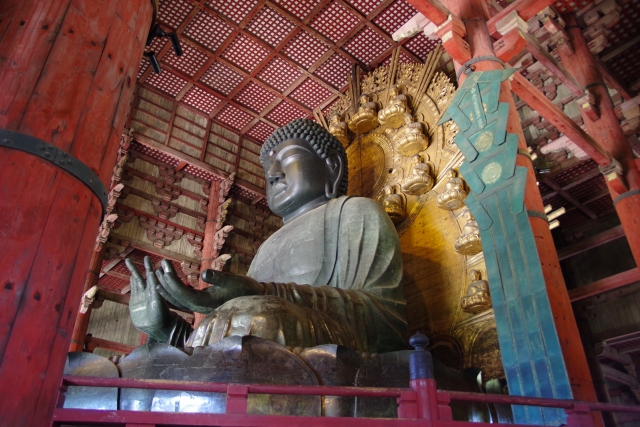
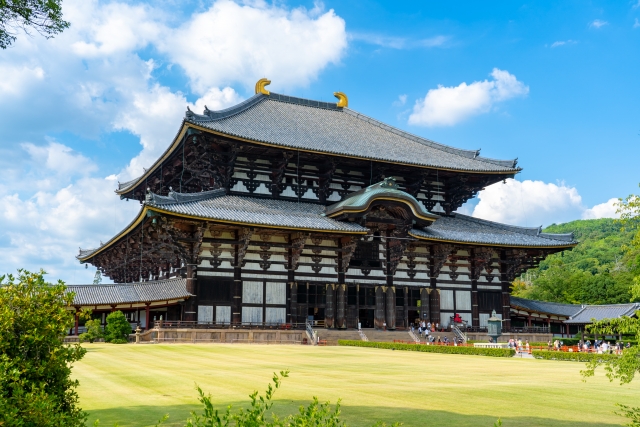
Nara’s historical significance is unparalleled, with eight UNESCO World Heritage Sites that captivate visitors from around the globe. The heart of Nara’s cultural legacy can be found at Todai-ji Temple, home to the world’s largest bronze statue of the Buddha Vairocana. The Great Buddha, or Daibutsu, is a marvel of religious art and an iconic symbol of Nara. The temple’s vast grounds and impressive architecture reflect the power and influence of Buddhism in ancient Japan.
Adjacent to Todai-ji, Nara Park is a sprawling green space where history and nature intertwine. It’s famous for its hundreds of free-roaming deer, considered sacred messengers of the gods in Shinto religion. These gentle creatures add a unique charm to the park, eagerly approaching visitors who offer shika-senbei, special crackers sold nearby. Nara Park is not only a haven for wildlife but also a place where cherry blossoms and autumn leaves create breathtaking scenery that changes with the seasons.
Another jewel in Nara’s crown is Kasuga Taisha, a Shinto shrine established in the 8th century. The path to the shrine is lined with stone lanterns, which, along with the hundreds of hanging bronze lanterns within, are lit during the Lantern Festivals in February and August, creating an ethereal atmosphere. The shrine’s connection to the Fujiwara family, one of the most powerful clans in Japanese history, highlights the intricate ties between religion, politics, and society in ancient Japan.
For those intrigued by Japan’s ancient history, a visit to the Nara National Museum offers insightful exhibitions on Buddhist art, including statues, paintings, and ceremonial objects. The museum’s collections provide a deeper understanding of the religious and artistic achievements that flourished in Nara.
Beyond its historical and cultural landmarks, Nara boasts a charming old town area, Naramachi. This district retains the atmosphere of past centuries, with traditional machiya (townhouses) converted into cafes, galleries, and shops. Walking through Naramachi’s narrow alleys, visitors can sense the continuity of life and tradition in Nara.
Culinary explorers will find Nara’s local cuisine as rich and diverse as its history. Specialties such as kakinoha-zushi, sushi wrapped in persimmon leaves, and narazuke, vegetables pickled in sake lees, reflect the region’s culinary traditions and local ingredients. These delicacies, along with the warm hospitality of Nara’s people, make dining an integral part of the travel experience.
Exploring Nara is more than a journey through Japan’s ancient capital; it’s an immersion into the heart of Japanese culture and history. Each temple, shrine, and natural landscape tells a story of faith, art, and society that has shaped Japan. Whether you’re drawn to Nara by its historical significance, spiritual heritage, or natural beauty, this cultural jewel offers a timeless experience that resonates long after your visit.
The Majestic Todai-ji Temple
Todai-ji Temple, a symbol of Nara’s rich history, stands as one of Japan’s most revered and majestic sites. Home to the world’s largest bronze statue of the Buddha Vairocana, known as Daibutsu, this temple showcases the pinnacle of Buddhist art and architecture. Constructed in the 8th century, Todai-ji has been a center of faith and worship for centuries. Visitors are often in awe of the Great Buddha Hall (Daibutsuden), which is also one of the largest wooden structures in the world. Inside, the serene gaze of the Daibutsu invites a moment of reflection and peace. Beyond the main hall, the temple complex offers serene gardens and smaller halls, each with its own history and treasures. Located in the northern part of Nara Park, Todai-ji is easily accessible on foot from Kintetsu Nara Station, about a 30-minute walk, or a short bus ride. This temple is not just a visit; it’s a pilgrimage to the heart of Japan’s Buddhist heritage.
Wander Amongst the Sacred Deer of Nara Park
Nara Park, famed for its hundreds of freely roaming deer, offers a unique experience where nature and spirituality intertwine. Considered messengers of the gods in Shinto, these gentle creatures have become a symbol of the city and interact closely with visitors. The park stretches across vast green spaces, enveloping several major attractions like Todai-ji Temple and Kasuga Taisha Shrine, making it a central point for exploring Nara’s rich heritage. Easily accessible, it’s a short walk from Nara or Kintetsu Nara stations. Here, amidst ancient trees and tranquil ponds, you can feed the deer with special crackers available for purchase, a memorable way to connect with Nara’s sacred guardians.
A Unique Encounter with Nature
Nara Park offers a unique encounter with nature, where the serene beauty of ancient Japan meets the charm of its wildlife. The park is home to hundreds of freely roaming deer, regarded as sacred messengers of the gods in the local Shinto tradition. This provides a rare opportunity for visitors to interact closely with these gentle animals, feeding them special deer-friendly crackers that can be purchased within the park. Aside from the deer, the park is dotted with historic sites like the majestic Todai-ji Temple, housing the Great Buddha, and the Kasuga Taisha Shrine, known for its lantern-lined paths. Easily accessible, the park is a short walk from both Nara and Kintetsu Nara train stations, making it a convenient and must-visit destination for those eager to experience the intertwined beauty of Japanese culture and nature.
Unveiling the Mysteries of Ancient Nara
Nara, the ancient capital of Japan, is a city that whispers the tales of its illustrious past through its historical monuments, serene parks, and sacred temples. This city, once the heart of Japan’s cultural and political life, continues to be a treasure trove of historical mysteries and architectural marvels. As we delve into the depths of Nara’s history, we uncover the layers of time that have shaped this city into a living museum, offering a glimpse into Japan’s rich cultural heritage.
The journey into Nara’s past begins at the iconic Todai-ji Temple, a UNESCO World Heritage Site that houses the Great Buddha, a colossal bronze statue that has been watching over the city since the 8th century. This temple, with its majestic Daibutsuden (Great Buddha Hall), stands as a testament to the advanced architectural skills and artistic sensibilities of ancient Japan. A short walk from Todai-ji leads to Nara Park, where hundreds of deer roam freely, considered sacred messengers of the gods according to Shinto belief. Interacting with these deer, visitors can experience a unique blend of natural beauty and spiritual significance.
Further exploration reveals Kasuga Taisha, Nara’s most celebrated Shinto shrine. Founded in 768 AD, the shrine is famous for its lantern-lined pathways, which create an ethereal atmosphere during twilight. The shrine’s connection to the powerful Fujiwara clan underscores the intricate ties between religion and politics in Japan’s history.
Nara’s historical narrative is also woven through its lesser-known gems, such as the Naramachi district. Here, traditional machiya (townhouses) have been preserved or transformed into charming cafes, boutiques, and museums, offering a slice of life from centuries past. Walking through Naramachi’s narrow lanes, one can’t help but feel transported to a different era, where the hustle and bustle of modern life give way to a tranquil, slower pace.
Another pivotal site is the Heijo Palace, once the imperial residence and the administrative center of Japan. Although much of the palace has been lost to time, the reconstructed buildings and the sprawling palace grounds provide insight into the grandeur of Nara’s imperial past.
As we unravel the mysteries of ancient Nara, it becomes clear that the city is more than just a collection of historical sites. It is a living legacy of Japan’s cultural evolution, from its spiritual practices and architectural advancements to its societal norms and artistic expressions. Visitors to Nara are not merely spectators but participants in a centuries-old narrative that continues to unfold.
Nara’s accessibility from major cities like Kyoto and Osaka makes it an essential destination for those seeking to immerse themselves in Japan’s historical and cultural richness. Whether one is drawn to the solemnity of its ancient temples, the natural beauty of its parks, or the quaint charm of its old town, Nara offers a journey back in time, revealing the layers of history that have shaped not just the city but Japan as a whole. In exploring Nara, we uncover the mysteries of a bygone era and gain a deeper appreciation for the enduring spirit of Japanese culture.
Kasuga Taisha: Where Traditions Come Alive
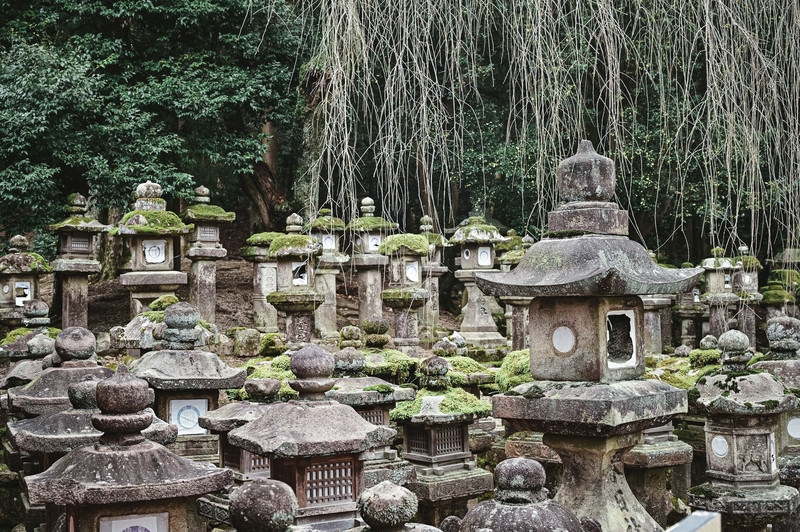
Kasuga Taisha, nestled in the lush greenery of Nara Park, stands as a testament to Japan’s enduring spiritual and cultural traditions. Founded in the 8th century, this Shinto shrine is celebrated for its hundreds of bronze and stone lanterns, donated by worshippers, which line its paths and create an enchanting atmosphere during the Lantern Festivals in February and August. The shrine’s connection to the Fujiwara family, one of the most powerful clans in Japanese history, adds a layer of historical significance. Visitors can reach Kasuga Taisha by a pleasant walk through Nara Park, passing by the friendly deer and ancient trees, making it a journey as captivating as the destination itself. This shrine not only offers a glimpse into the spiritual heart of Nara but also serves as a bridge connecting the past with the present.
Lanterns that Light the Path to the Past
Kasuga Taisha, nestled within the verdant expanse of Nara Park, is renowned for its enchanting lanterns. These lanterns, both stone and bronze, line the pathways leading to the shrine, casting a gentle glow that illuminates the journey through time. Donated by worshippers over centuries, the lanterns are lit during special festivals, such as the Mantoro Festival in February and August, creating a breathtaking sight that connects visitors to the spiritual and historical essence of Nara. This shrine, deeply tied to the influential Fujiwara clan, stands as a testament to the enduring faith and cultural traditions of Japan. To experience this magical atmosphere, visitors can easily walk from Nara or Kintetsu Nara stations, through Nara Park, where they will be greeted by the famous deer, to reach Kasuga Taisha. This journey offers not just a physical path, but a passage through history, illuminated by the lanterns that light the way.
The Enchanting Scenery of Mount Yoshino
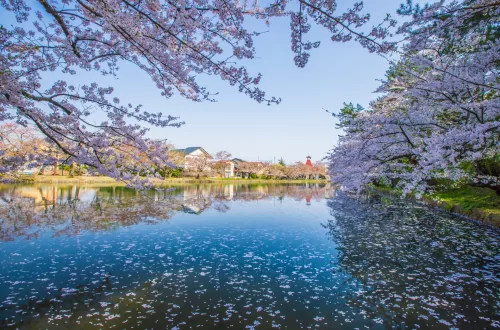
Mount Yoshino, known for its breathtaking cherry blossoms, is a UNESCO World Heritage Site and a pinnacle of natural beauty in Japan. Each spring, thousands of cherry trees bloom in unison, creating a stunning pink canopy that stretches across the mountain. This spectacle has been celebrated for centuries and is considered one of the best places in Japan to experience the Sakura season. Beyond the cherry blossoms, Mount Yoshino offers serene hikes and historic temples, including Kinpusen-ji, a significant temple for Shugendo practitioners. To reach Mount Yoshino, visitors can take a train to Yoshino Station from major cities like Osaka or Kyoto, followed by a cable car ride up the mountain, making it an accessible escape into nature’s embrace and a journey through Japan’s rich cultural tapestry.
A Canvas of Cherry Blossoms
Mount Yoshino, celebrated as Japan’s most famous cherry blossom viewing spot, transforms into a breathtaking canvas of pink every spring. The mountain is covered with over 30,000 cherry trees, painting the landscape in various shades of pink and white. This spectacular view has been a subject of admiration and inspiration for poets and artists throughout the centuries. The cherry blossoms at Yoshino create not just a visual feast but also a serene atmosphere, inviting visitors to stroll through its ancient paths, visit historic temples like Kinpusen-ji, and enjoy picnics under the blossoming trees. To experience this magical scenery, visitors can take a train to Yoshino Station from larger cities such as Osaka or Kyoto. From there, a cable car offers easy access to the heart of Mount Yoshino, making it an unforgettable journey into Japan’s cultural and natural beauty.
Nara’s Hidden Gems: Beyond the Beaten Path
Nara, often celebrated for its historic temples and the free-roaming deer of Nara Park, holds within its bounds hidden gems that offer a deeper dive into Japan’s ancient capital, beyond the well-trodden tourist paths. These lesser-known sites invite visitors to explore Nara’s rich tapestry of history, culture, and natural beauty, providing a unique glimpse into the city’s serene and mystical side.
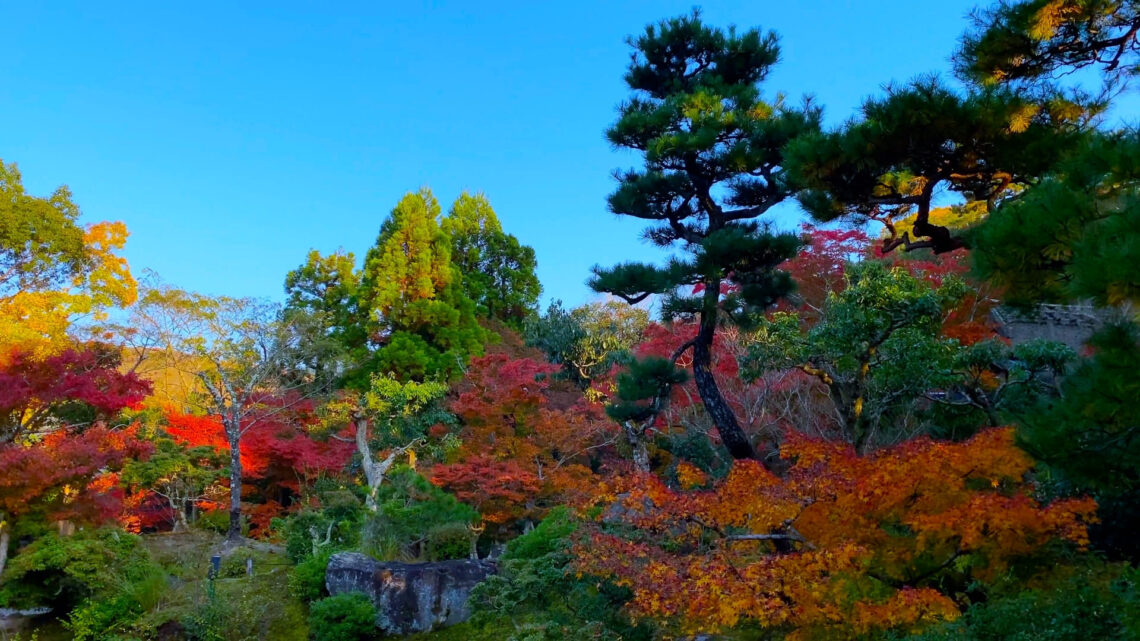
One such hidden gem is the Yoshikien Garden, a peaceful haven located just a stone’s throw away from the bustling Todai-ji Temple. This tranquil garden is divided into three distinct sections: a moss garden, a pond garden, and a tea ceremony garden, each offering a unique landscape that reflects the changing seasons. Yoshikien Garden is particularly enchanting during the autumn months when the foliage bursts into vibrant colors.
Another must-visit is the Naramachi, the old merchant district of Nara. Here, traditional machiya (wooden townhouses) line the narrow streets, many of which have been converted into charming cafes, galleries, and boutiques. Strolling through Naramachi provides a glimpse into the daily life and architectural style of old Nara, a stark contrast to the grandeur of the city’s temples and shrines.
For those interested in the spiritual heritage of Nara, the lesser-known Asuka Temple, located in the Asuka region, is considered the birthplace of Japanese Buddhism. The temple, surrounded by picturesque rice fields and ancient burial mounds, offers a serene setting for reflection and is a testament to the deep spiritual roots of the area.
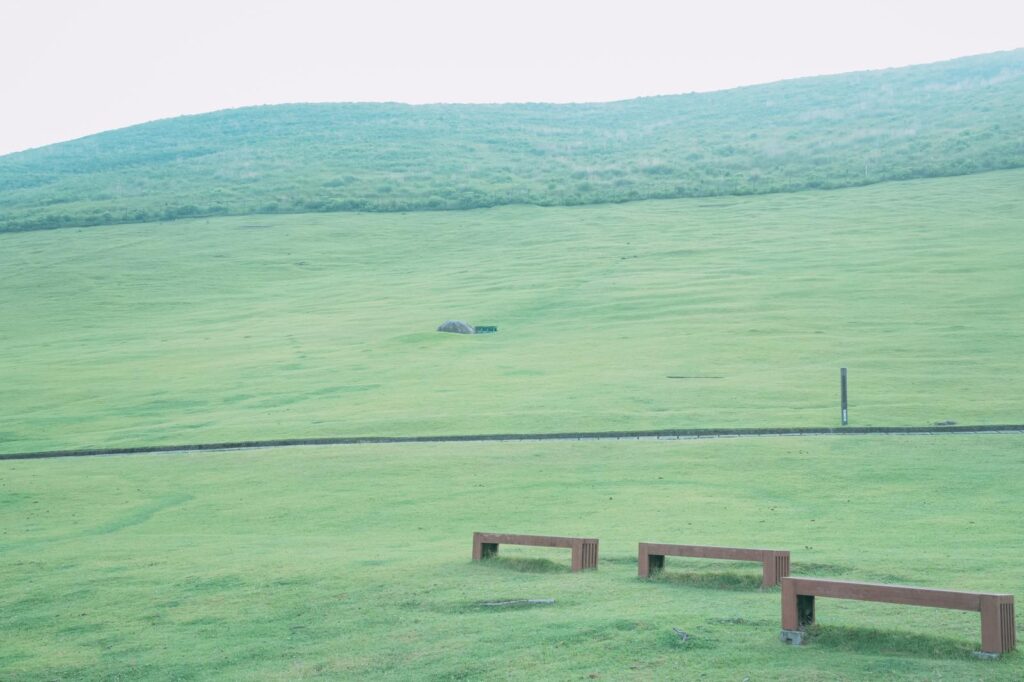
Mount Wakakusa, a grass-covered hill on the eastern edge of Nara, provides panoramic views of the city and its surrounding countryside. In late January, the hill is set ablaze in a spectacular fire festival known as Wakakusayama Yamayaki, a tradition that symbolizes the clearing of dead grass to welcome new growth. The hike up Mount Wakakusa starts from the rear of Nara Park, offering a leisurely walk that is accessible and rewarding for all ages.
Lastly, the Murouji Temple, nestled in the lush forests of the Uda Mountains, is often referred to as the “Koyasan of the Nara region” for its spiritual significance and stunning natural setting. Famous for its five-story pagoda and the ethereal beauty of its mountain backdrop, Murouji Temple is a site of profound peace and spiritual renewal.
Nara’s hidden gems reveal the depth and diversity of the city’s cultural and natural heritage. By venturing beyond the beaten path, visitors can experience the less explored yet equally captivating aspects of Nara, offering a more intimate and immersive exploration of Japan’s ancient capital.
The Timeless Beauty of Naramachi
Naramachi, the old merchant district of Nara, is a charming area where the past and present blend seamlessly. Walking through its narrow lanes, visitors are greeted by traditional machiya houses, which have been carefully preserved or transformed into quaint cafes, shops, and museums. These historical buildings offer a glimpse into Nara’s rich cultural heritage. Naramachi is easily accessible on foot from Kintetsu Nara Station, making it a perfect detour for those exploring the nearby Nara Park and its famous temples. This neighborhood provides a peaceful contrast to the bustling tourist spots, inviting visitors to slow down and savor the timeless beauty of Nara’s history.
Discovering Nara’s Old Town Charm
Discovering Nara’s old town charm takes you on a journey through Naramachi, the city’s historical merchant district. Strolling through its narrow streets, you’ll encounter beautifully preserved machiya (traditional wooden townhouses) that have been transformed into quaint cafes, artisan shops, and galleries, offering a unique window into Japan’s past. This area, easily accessible on foot from Kintetsu Nara Station, serves as a tranquil retreat from the more crowded sights of Nara Park and Todai-ji Temple. Visitors can immerse themselves in the local culture by participating in workshops or simply enjoying the atmospheric setting. Naramachi’s charm lies in its ability to transport visitors to a bygone era while providing intimate encounters with Nara’s rich history and lifestyle.
Culinary Delights: Savoring Nara’s Local Cuisine
Nara’s local cuisine offers a culinary journey through Japan’s ancient capital. The city is famous for its traditional dishes such as “kakinoha-zushi,” sushi wrapped in persimmon leaves, and “cha-gayu,” rice porridge with tea, which reflect Nara’s rich culinary history. Visitors can also indulge in “narazuke,” vegetables pickled in sake lees, a local specialty known for its unique flavor. These culinary delights can be found in the restaurants and eateries scattered around Nara Park and Naramachi, easily accessible from Nara or Kintetsu Nara stations. Savoring Nara’s local cuisine provides a delightful exploration of the city’s gastronomic heritage.
A Taste of Tradition
Nara’s culinary scene is as rich as its history, offering specialties like kakinoha-zushi, sushi wrapped in persimmon leaves, and the sweet, red bean-filled treat known as narazuke. Dining in Nara is an exploration of flavors that have been cherished for centuries.
Nara’s culinary scene offers a taste of tradition with its unique and historical dishes. Among these, “kakinoha-zushi,” sushi wrapped in persimmon leaves, stands out for its delicate flavor and preservation method, reflecting the local culture and history. Another traditional dish, “cha-gayu,” showcases the simplicity and elegance of Japanese cuisine with its rice porridge made with tea. These dishes, along with “narazuke,” pickled vegetables unique to Nara, can be savored in the eateries around Naramachi and near Nara Park. These areas, rich in history and culture, are easily reached from Nara and Kintetsu Nara stations, inviting visitors to explore Nara’s gastronomic offerings alongside its historic sites.