Discover the Hidden Charms of Kumamoto Prefecture in Kyushu
Explore the Historic and Scenic Beauty of Kumamoto
Kumamoto Prefecture in Kyushu is a captivating destination rich in history, natural beauty, and cultural experiences, making it an ideal spot for international travelers seeking an authentic Japanese adventure.
Nestled in the heart of Kyushu, Kumamoto Prefecture offers a unique blend of historic landmarks, stunning natural landscapes, and vibrant cultural heritage. From the iconic Kumamoto Castle to the serene Suizenji Jojuen Garden, the region is a treasure trove of experiences waiting to be discovered. Whether you’re an avid history buff, nature enthusiast, or cultural explorer, Kumamoto promises a memorable journey. Easily accessible from major cities, it’s a perfect addition to any travel itinerary in Japan.
Dive into History at Kumamoto Castle
Kumamoto Castle, one of Japan’s most impressive castles, stands as a testament to the region’s rich history and architectural prowess. Built in the early 17th century by the feudal lord Kato Kiyomasa, the castle complex boasts massive stone walls, intricate wooden interiors, and expansive grounds. Despite suffering damage during the 2016 earthquake, the castle has been meticulously restored, offering visitors a glimpse into its storied past.
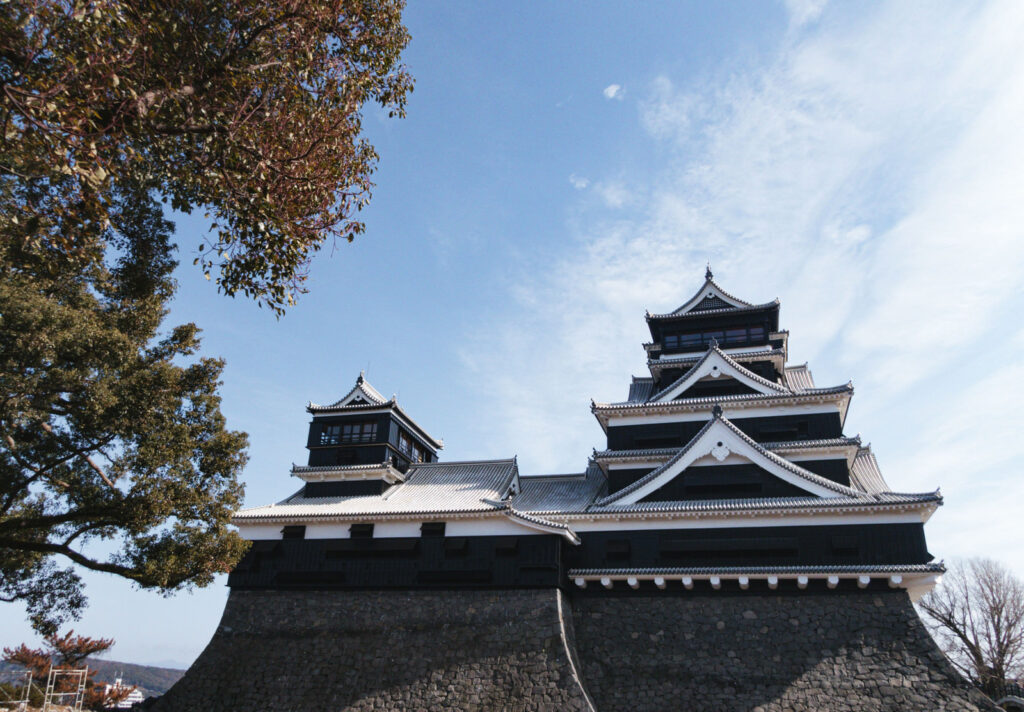
Visitors can explore the main keep, reconstructed turrets, and various exhibitions showcasing samurai armor, historical artifacts, and detailed models of the castle. The surrounding grounds, particularly during cherry blossom season, provide a picturesque setting for leisurely strolls and photo opportunities. Directions: From Kumamoto Station, take a tram to Kumamoto Castle/City Hall stop, a short walk from there will lead you to the castle entrance.
Relax in the Tranquil Beauty of Suizenji Jojuen Garden
Suizenji Jojuen Garden, a traditional Japanese landscape garden, offers a peaceful retreat from the bustling city life. Created in the 17th century by the Hosokawa family, this garden is renowned for its miniature replicas of the 53 post stations of the Tokaido Road, including a small Mount Fuji. The garden’s design follows the principles of borrowed scenery (shakkei), harmonizing with the surrounding landscapes to create a seamless and tranquil environment.
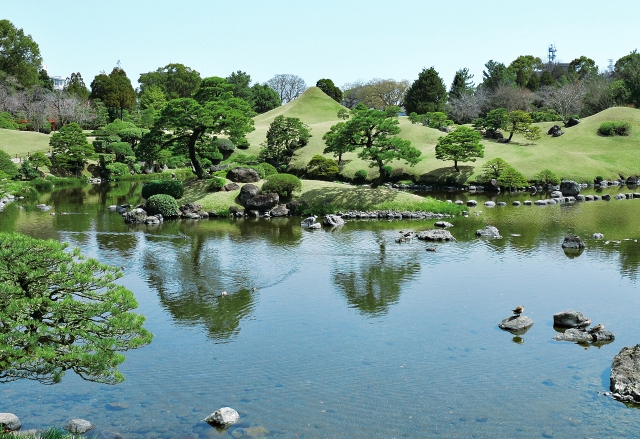
Walking through the garden, visitors can enjoy the meticulously manicured lawns, serene ponds, and traditional tea houses. The Ryujin no Ike pond, filled with colorful koi fish, and the Izumi Shrine, located within the garden, add to its charm and cultural significance. For an immersive experience, visitors can participate in a traditional tea ceremony at the Kokin-Denju-no-Ma teahouse, overlooking the garden’s scenic beauty. Directions: From Kumamoto Station, take a tram to Suizenji Park stop, a short walk will bring you to the garden entrance.
Adventure into the Natural Wonders of Aso-Kuju National Park
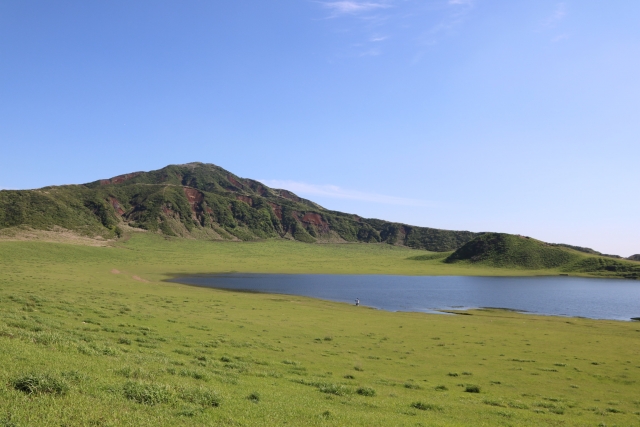
Aso-Kuju National Park, home to the world’s largest caldera and one of Japan’s most active volcanoes, Mount Aso, offers an unparalleled experience for nature lovers and adventure seekers. The park’s diverse landscapes include expansive grasslands, dramatic volcanic peaks, and serene hot springs, making it a paradise for hikers, photographers, and outdoor enthusiasts.
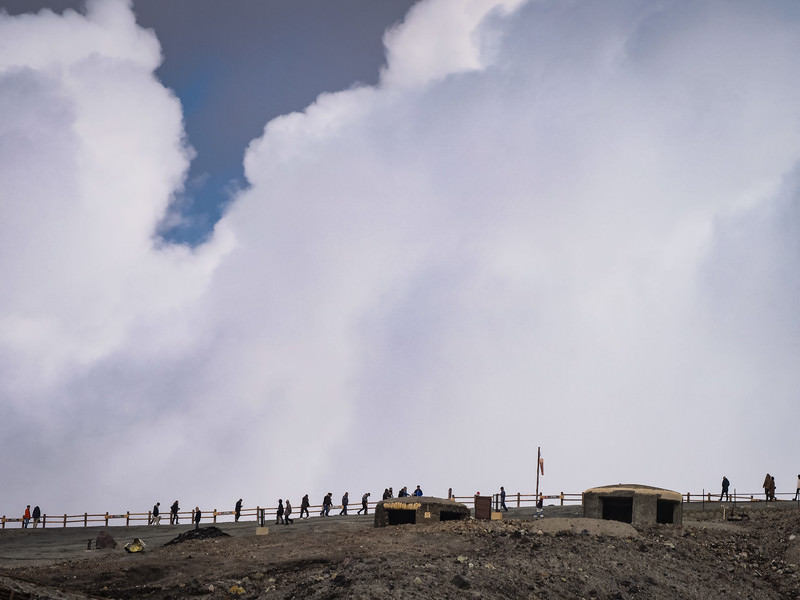
Visitors can explore the vast caldera, which spans over 25 kilometers, and witness the active volcanic crater of Mount Aso. The park features numerous hiking trails catering to all levels, from leisurely walks through grasslands to challenging ascents up volcanic slopes. Key attractions include the Kusasenri-ga-hama, a picturesque plateau with grazing horses, and the Daikanbo lookout point, offering panoramic views of the caldera.
Additionally, the park is dotted with hot spring resorts, providing a perfect way to unwind after a day of exploration. Popular onsen towns like Kurokawa Onsen offer traditional ryokan accommodations and open-air baths with stunning natural vistas. Directions: From Kumamoto Station, take the JR Hohi Line to Aso Station, where local buses and taxis can take you to various points within the park.

Experience Local Culture and Cuisine in Kumamoto
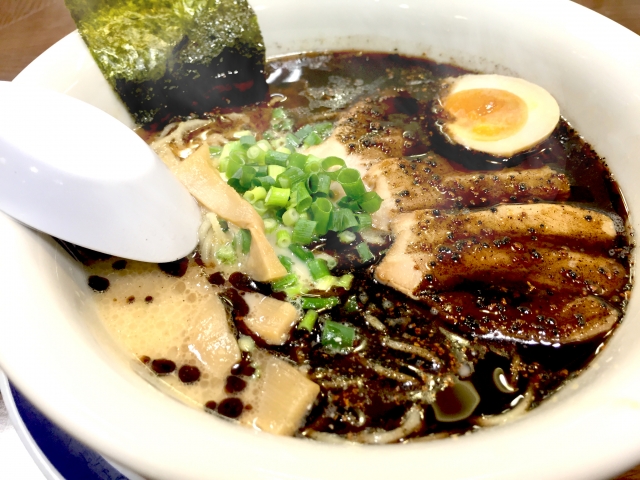
Kumamoto’s rich cultural heritage extends beyond its historic sites and natural wonders. The local cuisine, deeply rooted in the region’s agricultural abundance, offers a delightful culinary journey. Dishes like basashi (horse sashimi), Kumamoto ramen, and Ikinari dango (sweet potato dumplings) reflect the unique flavors of the area.
For an authentic cultural experience, visitors can explore the Shimada Museum of Arts, showcasing traditional Japanese art and artifacts, or participate in local festivals such as the vibrant Fujisaki Hachimangu Autumn Festival. The Shimada Museum offers insight into Kumamoto’s artistic legacy with its collection of swords, ceramics, and paintings.
Moreover, the region’s friendly locals and traditional crafts provide a warm and inviting atmosphere. Engaging with artisans at local workshops, visitors can learn about traditional crafts such as Higo inlay and Kumamoto dolls. Directions: Central Kumamoto is easily accessible via trams and buses from Kumamoto Station, with many cultural sites and local restaurants located within walking distance of the city center.