Ultimate Iwate Hot Spring Getaway!
Why Iwate’s Hot Springs Are a Must-Visit – A Journey of Relaxation and Healing
Iwate Prefecture is a hot spring paradise, surrounded by breathtaking natural scenery. With numerous onsen spots scattered across the region, you can soak in mineral-rich waters while enjoying the charm of traditional inns and delicious local cuisine. From the renowned Hanamaki Onsenkyo and Hachimantai Onsenkyo to lesser-known hidden gems, Iwate offers a diverse range of hot spring experiences. Join us as we explore some of the best onsen destinations in the region!
One of the best things about Iwate’s hot springs is the variety. You’ll find everything from sulfur springs and carbonated springs to simple thermal waters, each offering unique health benefits. Each onsen town has its own distinct charm—whether it’s a secluded hidden spring, a luxurious ryokan (traditional inn), or a nostalgic public bath.
Some of the most famous areas include Hanamaki Onsenkyo, known for its scenic beauty and historical significance, and Hachimantai Onsenkyo, where you can enjoy spectacular mountain views while soaking in the warm waters. In addition to the hot springs, many of these destinations offer cultural and outdoor activities, making them perfect for a well-rounded getaway. Let’s dive into Iwate’s best hot spring resorts and discover what makes each one special!
1. Hanamaki Onsenkyo (Hanamaki Onsen, Dai Onsen, Osawa Onsen, Shin-Namari Onsen, Namari Onsen)
2. Tsunagi Onsen
3. Genbu Onsenkyo
4. Kyukamura Iwate Amihari Onsen
5. Hachimantai Onsenkyo
6. Yukawa Onsen 7. Kawajiri Onsen
The Best Hot Spring Destinations in Iwate
Hanamaki Onsenkyo
A Blend of History and Nature
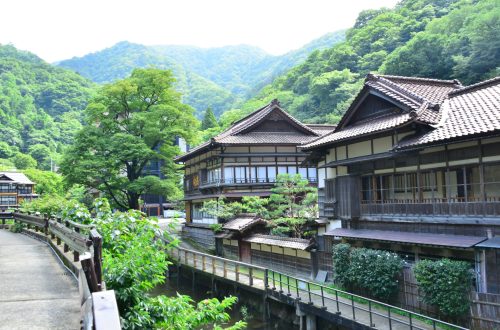
Nestled in the heart of Iwate, Hanamaki Onsenkyo is one of the most famous hot spring regions in the prefecture. This area boasts a collection of unique hot springs, including Hanamaki Onsen, Dai Onsen, Osawa Onsen, Shin-Namari Onsen, and Namari Onsen. Each has its own charm, from luxurious modern resorts to historic, rustic inns that have welcomed travelers for centuries.
A Hot Spring for Every Traveler
One of the key attractions of Hanamaki Onsenkyo is its diversity. If you’re looking for a relaxing, resort-style onsen, Hanamaki Onsen offers elegant ryokan with beautifully designed baths, often paired with top-class dining experiences featuring local ingredients. For those who prefer a traditional, nostalgic atmosphere, Dai Onsen and Osawa Onsen are perfect choices. These inns, some of which have been in operation for over a century, preserve the charm of Japan’s historic ryokan culture.
Namari Onsen is particularly famous for its “Shirozaru-no-Yu”, a rare standing bath where guests soak in the warm water while standing—a unique experience you won’t find in many other places.
Seasonal Beauty and Attractions
Hanamaki Onsenkyo is not just about hot springs. The area is surrounded by scenic beauty, offering breathtaking views all year round. In spring, cherry blossoms paint the landscape in pink; summer brings lush greenery perfect for hiking; autumn is a fiery display of red and gold leaves; and in winter, the snow-covered onsens create a magical, serene atmosphere.
For those looking to explore beyond the hot springs, Miyazawa Kenji Memorial Museum (dedicated to one of Japan’s most beloved authors, who was born in Hanamaki) and the Tono Folk Village, showcasing traditional Japanese rural life, are nearby attractions worth visiting.
Tsunagi Onsen
A Hidden Gem Near Morioka
Located just 30 minutes from Morioka, Tsunagi Onsen is often called “Morioka’s hidden retreat.” Overlooking the stunning Gosho Lake, this onsen area combines the serenity of nature with the convenience of easy access from the city.
A Lakeview Onsen Paradise
Tsunagi Onsen is known for its spectacular lake views. Many ryokan have open-air baths facing Gosho Lake, allowing guests to relax while watching the tranquil waters. The scenery changes with the seasons—cherry blossoms in spring, lush greenery in summer, fiery autumn leaves, and a serene, snowy landscape in winter.
Healing Waters with a History
The hot springs here have a history of over 900 years, and legend has it that they were discovered when a wounded samurai noticed his injuries healing after bathing in the natural springs. The waters, rich in sodium chloride and sulfur, are believed to be beneficial for nerve pain, muscle soreness, and skin conditions.
More than Just Hot Springs
Apart from the relaxing baths, Tsunagi Onsen is also home to Tsunagi Onsen Prefectural Art Museum, showcasing modern art inspired by Iwate’s landscapes. Visitors can also take a leisurely boat cruise on Gosho Lake or enjoy a scenic cycling route around the area.
Genbu Onsenkyo
A Serene Retreat at the Foot of Mt. Iwate
Tucked away at the foot of Mt. Iwate, Genbu Onsenkyo is a small yet enchanting onsen area known for its stunning natural surroundings and peaceful ambiance. Unlike larger, more developed onsen resorts, Genbu Onsenkyo retains a sense of untouched nature, making it ideal for those seeking a quiet retreat.
A Hidden Gem in the Forest
The hot springs here are known for their silky, soft waters, rich in minerals that leave your skin feeling incredibly smooth. Many of the inns in this area are small, family-run ryokan, offering an intimate, personalized experience that allows visitors to fully immerse themselves in Japan’s traditional onsen culture.
Breathtaking Seasonal Landscapes
Each season transforms Genbu Onsenkyo into a different paradise. In spring, fresh greenery and blooming flowers create a refreshing atmosphere. Autumn is a particularly special time to visit, as the vivid red and yellow leaves form a spectacular backdrop to the steaming outdoor baths.
Explore Mt. Iwate’s Natural Beauty
For those who love nature, Genbu Onsenkyo is a great base for exploring Mt. Iwate. There are several hiking trails, ranging from easy walks to more challenging climbs, offering incredible panoramic views of the surrounding countryside.
Kyukamura Iwate Amihari Onsen
A Mountain Onsen Above the Clouds
Perched at an altitude of 750 meters, Kyukamura Iwate Amihari Onsen offers an “above-the-clouds” hot spring experience. Located within Towada-Hachimantai National Park, this onsen is a perfect destination for nature lovers and outdoor enthusiasts.
A High-Altitude Hot Spring Escape
The onsen here is famous for its sulfur-rich waters, which are said to help with skin conditions, circulation, and fatigue. The outdoor baths offer a panoramic view of the mountains, making it an excellent spot for relaxation after a day of hiking or skiing.
A Year-Round Destination
– Winter: A great base for skiing and snowboarding, as it’s close to Amihari Ski Resort.
– Spring & Summer: Ideal for hiking and wildlife spotting in the surrounding national park.
– Autumn: One of the best places in Iwate for autumn foliage viewing, with breathtaking red and orange landscapes.
Hachimantai Onsenkyo
Hot Springs with Stunning Mountain Views
Hachimantai Onsenkyo is one of Iwate’s premier hot spring areas, offering a mix of volcanic hot springs, panoramic mountain views, and a peaceful retreat into nature.
A Paradise for Outdoor Lovers
Located within the Hachimantai Mountain Range, this onsen area is a haven for hikers, skiers, and nature enthusiasts. The most famous attraction here is the Hachimantai Dragon Eye, a rare natural phenomenon where a frozen pond in the mountains melts into a perfectly shaped “eye” in late spring.
A Soothing Volcanic Bath Experience
The hot springs here have a high sulfur content, giving the water a milky white appearance. The minerals are believed to be excellent for relaxing muscles and detoxing the skin. Many ryokan and public baths in the area offer outdoor baths with spectacular views of the mountains.
How to Get to Iwate’s Best Hot Springs
Hanamaki Onsenkyo: About 20 minutes by car from Shin-Hanamaki Station (JR Tohoku Shinkansen) or 15 minutes from Hanamaki Airport.
Tsunagi Onsen: 30 minutes by bus from Morioka Station (JR Tohoku Shinkansen).
Genbu Onsenkyo: 40 minutes by car from Morioka Station.
Kyukamura Iwate Amihari Onsen: 50 minutes by bus from Morioka Station.
Hachimantai Onsenkyo: 1 hour by bus from Morioka Station or 15 minutes by car from Matsuo-Hachimantai IC (Tohoku Expressway).
Yukawa Onsen: 1 hour by bus from Kitakami Station (JR Tohoku Shinkansen).
Kawajiri Onsen: 25 minutes by car from Shin-Hanamaki Station.
No matter which onsen you choose, Iwate’s hot springs offer the perfect escape from daily life. So why not take a trip and unwind in the healing waters of these beautiful onsen towns?