Top 10 Must-Visit Onsen Destinations in Japan
What Makes Japan’s Famous Onsens So Special?
Japan, home to over 27,000 hot springs, has long been a global hotspot for onsen enthusiasts. With their high-quality mineral waters, convenient access, and abundant sightseeing opportunities, these onsen destinations also offer heartfelt hospitality that makes you want to return time and again. In this guide, we introduce the top 10 onsen resorts, carefully selected by experienced writers who have visited these locations multiple times.
1. Kusatsu Onsen (Gunma Prefecture)
2. Hakone Onsen (Kanagawa Prefecture)
3. Arima Onsen (Hyogo Prefecture)
4. Noboribetsu Onsen (Hokkaido)
5. Shirahama Onsen (Wakayama Prefecture)
6. Beppu Onsen (Oita Prefecture)
7. Gero Onsen (Gifu Prefecture)
8. Dogo Onsen (Ehime Prefecture)
9. Kinosaki Onsen (Hyogo Prefecture)
10. Naruko Onsen (Miyagi Prefecture)
1. Kusatsu Onsen (Gunma Prefecture)
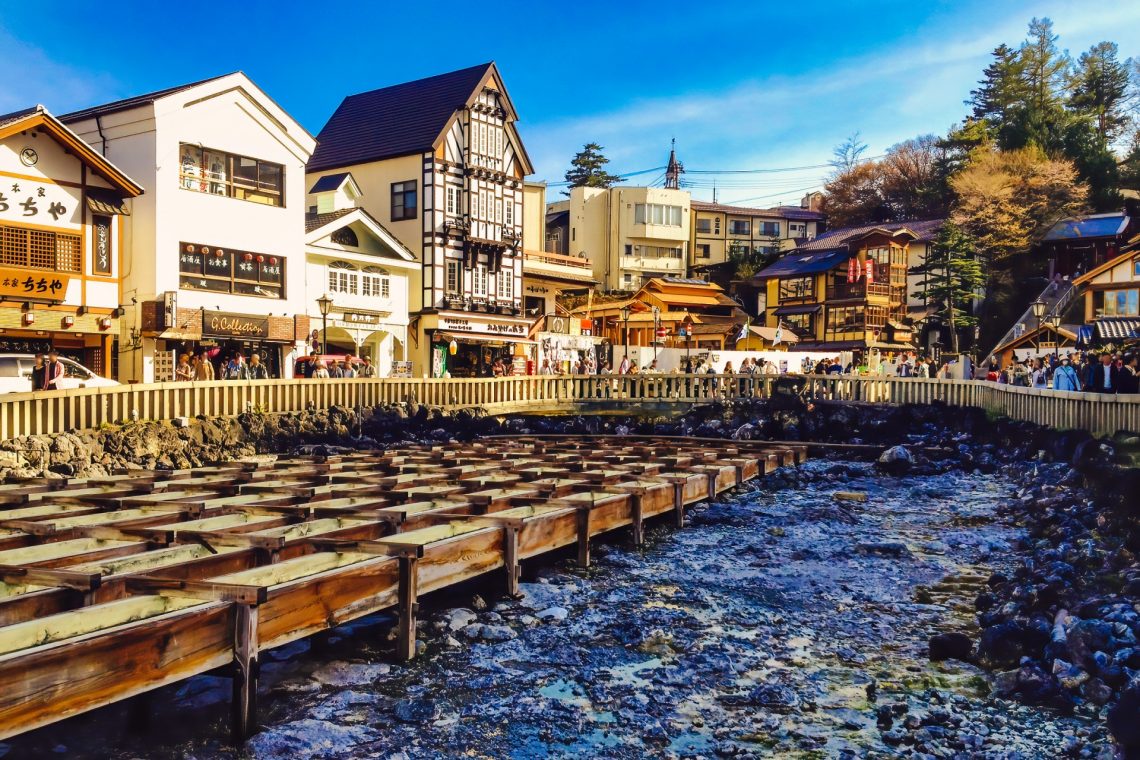
Welcome to Kusatsu Onsen, renowned for having the highest natural hot spring flow in Japan. At the heart of the town stands the iconic Yubatake (hot water field), where sulfur-scented steam rises from milky white waters. Its highly acidic waters, with a pH of 2.1, are celebrated for their exceptional skin-smoothing effects.
The highlight of Kusatsu is the traditional bathing experience known as Awaseyu. This involves manually cooling the 100% natural hot spring water using a wooden paddle to achieve the perfect bathing temperature—a practice showcased in the famous Yumomi Show. Don’t miss the evening Light and Sound Yumomi Show, a dazzling spectacle.
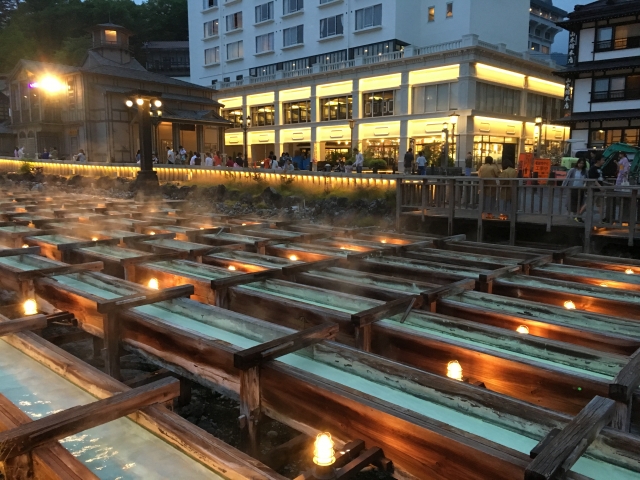
For onsen enthusiasts, the town offers 18 communal baths to explore. Among them, the Sai-no-Kawara Open-Air Bath, set amidst natural rock formations, provides an unparalleled experience of soaking in thermal waters surrounded by the changing seasons.
2. Hakone Onsen (Kanagawa Prefecture)
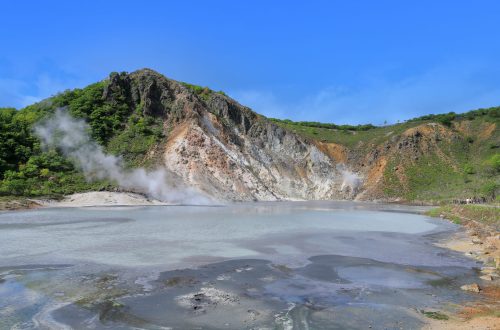
Just 90 minutes from Tokyo, Hakone Onsen boasts 17 different spring sources scattered across its picturesque landscape. A standout is Owakudani, a volcanic valley famous for its “black eggs” cooked in sulfuric hot springs.

The onsen town spans the hills overlooking Lake Ashi, offering accommodations ranging from luxurious ryokans to casual day-use facilities. A must-visit is Tenzan Onsen Village, featuring seven types of baths, open-air tubs, and stunning views of Mount Fuji. Hakone also offers unique transportation options, such as the Hakone Tozan Railway, a ropeway, and even a pirate ship cruise on the lake. Art lovers will appreciate the abundance of museums and galleries, making Hakone an exceptional destination that blends relaxation and culture.
3. Arima Onsen (Hyogo Prefecture)
One of Japan’s oldest hot spring resorts, Arima Onsen is famous for its two contrasting spring types: Kinsen (golden springs) and Ginsen (silver springs). Kinsen, rich in iron and salt, has a reddish-brown hue, while Ginsen is a clear, radon-infused spring.
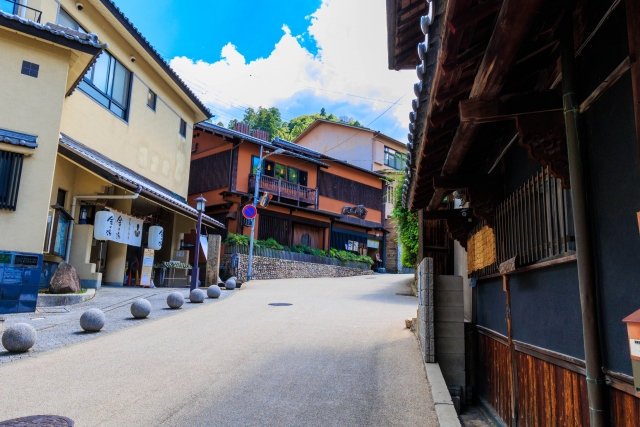
The quaint streets are dotted with historical bathhouses such as Kin-no-Yu and Gin-no-Yu, where visitors can immerse themselves in the same waters that were beloved by historical figures like Toyotomi Hideyoshi. The town’s charm is further enhanced by traditional inns and ryokans clustered near Nene Bridge, which is beautifully lit at night with lanterns. While strolling through the streets, don’t miss local delicacies like onsen manju (steamed buns) and Arima cider.
4. Noboribetsu Onsen (Hokkaido)
Noboribetsu is Hokkaido’s leading hot spring town, featuring an incredible variety of nine different spring types. The dramatic Jigokudani (Hell Valley) serves as the area’s primary source, with steam vents and bubbling pools creating a surreal volcanic landscape.
A top attraction is the Oyunumagawa Natural Foot Bath, where you can enjoy a relaxing soak in the warm waters while surrounded by Hokkaido’s pristine wilderness. Winter transforms the experience, offering spectacular snow-covered views.
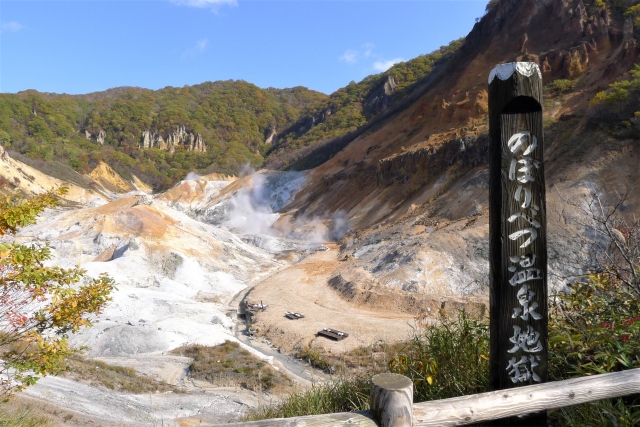
The town also hosts nightly events like the Demon Fireworks Show, where fireworks and eerie illuminations bring the Hell Valley to life, adding to its mystical allure.
5. Shirahama Onsen (Wakayama Prefecture)
Nicknamed the “Japanese Riviera,” Shirahama Onsen offers a perfect blend of breathtaking coastal scenery and rejuvenating hot springs. With over 1,300 years of history, its famous open-air baths, such as Sakinoyu and Shirarahama Bath, overlook the vast Pacific Ocean.
A must-see is the Engetsu Island, a uniquely shaped rock formation visible from Shirahama’s coastline. Sunset views here are particularly enchanting, with the sea and sky blending into a canvas of fiery hues. The onsen town is also home to the Toretore Market, a bustling marketplace where you can sample fresh seafood and local delicacies. Families will enjoy visiting Adventure World, known for its adorable panda family, making Shirahama a top destination for both relaxation and exploration.
6. Beppu Onsen (Oita Prefecture)
Famous for its Jigoku Meguri (Hell Tour), Beppu Onsen consists of eight distinct hot spring areas, each with unique features. From the vivid red waters of Chinoike Jigoku (Blood Pond Hell) to the cobalt blue pools of Umi Jigoku (Sea Hell), these geothermal wonders are otherworldly.
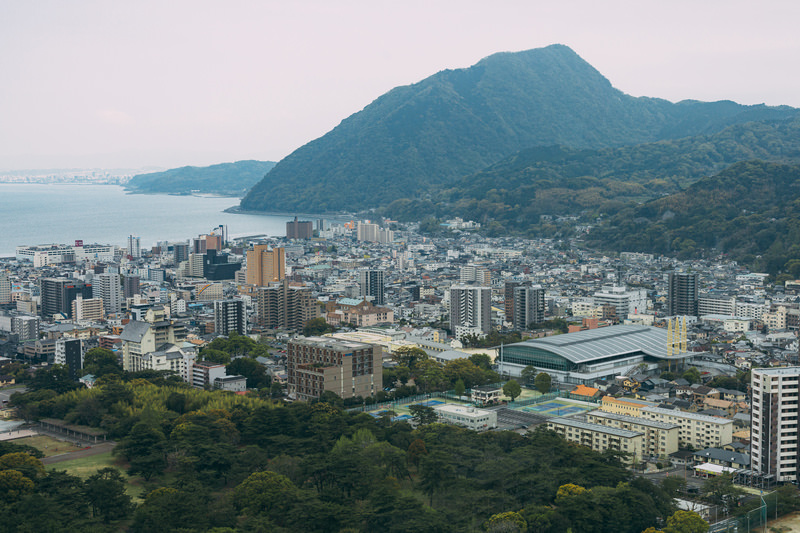
The city is dotted with numerous hot spring facilities, including public bathhouses such as the charming Takegawara Onsen, a historical building with traditional sand baths. Don’t miss the unique culinary experience of Jigoku Mushi Cuisine, where ingredients are steamed using the natural hot spring vapors. Visitors can even try steaming their own meals. Beppu also hosts regular events, including hot spring festivals and steam-based attractions at B-CON Plaza.
7. Gero Onsen (Gifu Prefecture)
Known as one of Japan’s top three hot springs, Gero Onsen offers soothing, alkaline waters renowned for their skin-softening properties. The town exudes charm, with its centerpiece, the Gero Onsen Gassho Village, showcasing traditional thatched-roof houses from the Hida region.
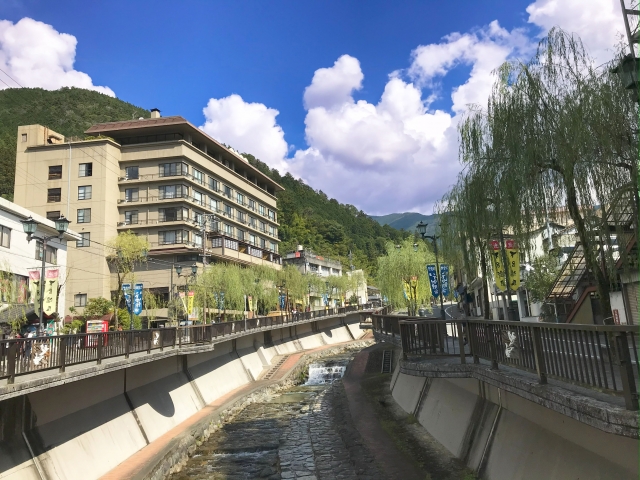
One of the highlights is the footbath route, featuring multiple public footbaths scattered throughout the town, providing a quick and relaxing soak. At night, the steps leading to Gero Onsenji Temple are beautifully illuminated, creating a romantic atmosphere. The onsen town is also celebrated for its local cuisine, including Hida beef and Hoba miso, a dish where miso paste is grilled on a magnolia leaf. These delicacies are a must-try during your stay.
8. Dogo Onsen (Ehime Prefecture)
Dogo Onsen is considered one of Japan’s oldest hot spring resorts, with its centerpiece, the Dogo Onsen Honkan, serving as inspiration for Hayao Miyazaki’s “Spirited Away.” This three-story wooden bathhouse features traditional baths and exclusive rooms like the Botchan Room, named after Natsume Soseki’s famous novel.
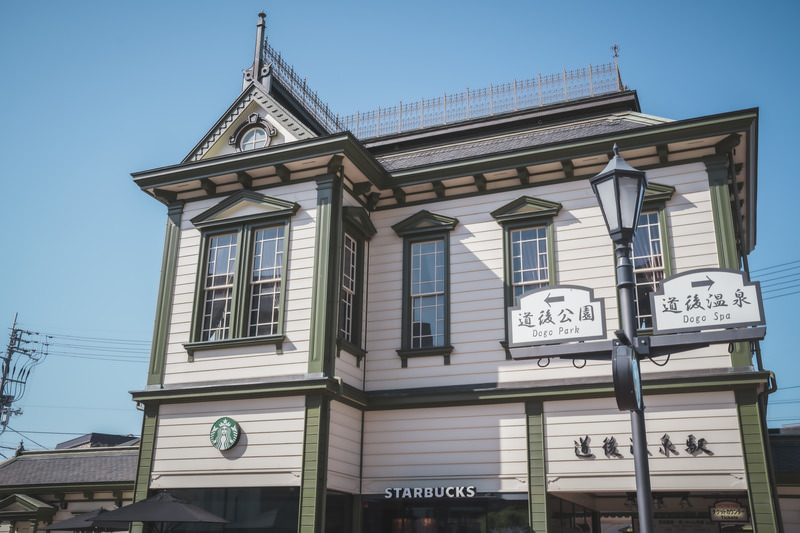
Visitors strolling the onsen town in yukata will find themselves immersed in literary history and old-world charm. The nearby Dogo Shopping Arcade offers local treats such as Botchan Dango and craft beers, while street performances and evening projections at Asuka-no-Yu add a modern flair.
9. Kinosaki Onsen (Hyogo Prefecture)
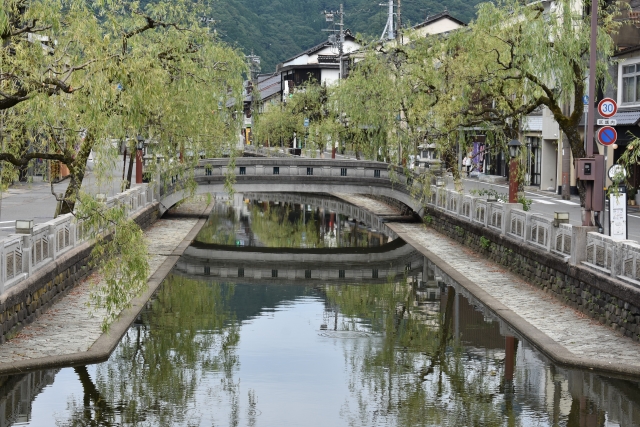
Famed for its Soto-yu Meguri (public bath hopping), Kinosaki Onsen invites visitors to stroll through its willow-lined streets in yukata and wooden geta sandals. The town features seven public baths, each with its own unique atmosphere, such as Ichino-yu and Sato-no-yu, offering picturesque settings for ultimate relaxation.
During winter, visitors flock to Kinosaki to indulge in fresh crab dishes, a regional specialty. The Maruyama River promenade is also stunning, especially during the cherry blossom season. In the evening, the soft glow of lanterns creates a nostalgic ambiance, making Kinosaki an enchanting escape.
10. Naruko Onsen (Miyagi Prefecture)
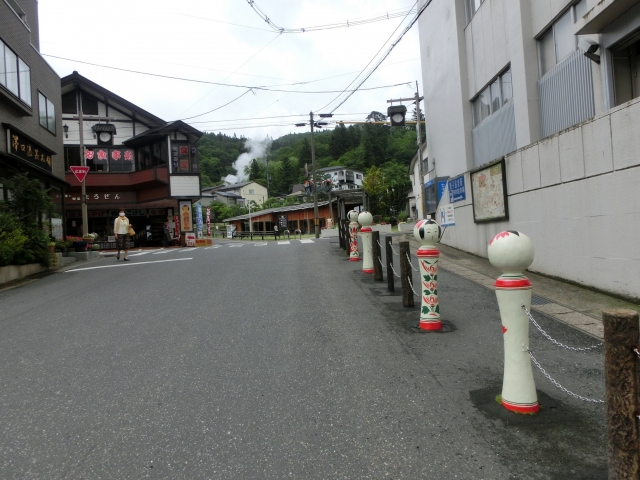
Naruko Onsen is a hidden gem, offering five distinct types of mineral-rich hot springs. Its scenic highlight is Naruko Gorge, a breathtaking canyon that becomes a riot of colors during autumn.
The onsen town is also home to Naruko Kokeshi Doll workshops, where visitors can try their hand at painting these traditional wooden dolls. The Naruko Dam area offers beautiful trekking routes, making it a favorite among nature enthusiasts.
Local delicacies such as Okuzukake, a hearty stew, provide the perfect complement to a day of onsen hopping and exploration.
Access to Popular Onsen Destinations Across Japan
1. Kusatsu Onsen (Gunma Prefecture)
– From JR Tokyo Station: Take the Hokuriku Shinkansen to Karuizawa Station (about 1 hour), then transfer to a bus to Kusatsu Onsen (about 2 hours).
– By car: Via the Kan-Etsu Expressway, take the Shibukawa-Ikaho IC and drive for about 1 hour and 30 minutes.
– Direct bus from Tokyo: About 4 hours (JR Bus Kanto).
2. Hakone Onsen (Kanagawa Prefecture)
– From JR Tokyo Station: Take the Odakyu Romancecar to Hakone-Yumoto Station (about 85 minutes).
– From Shinjuku Station: Take the Odakyu Line express train (about 85 minutes).
– By car: Via the Tomei Expressway, take the Gotemba IC and drive for about 40 minutes.
3. Arima Onsen (Hyogo Prefecture)
– From JR Shin-Osaka Station: Direct bus service takes about 40 minutes.
– From Kobe Sannomiya Station: Take the Kobe Electric Railway to Arima Onsen Station (about 30 minutes).
– By car: Via the Chugoku Expressway, take the Nishinomiya-Kita IC and drive for about 30 minutes.
4. Noboribetsu Onsen (Hokkaido)
– From New Chitose Airport: Take a limited express train to Noboribetsu Station (about 1 hour), then a bus to the onsen area (about 20 minutes).
– From JR Sapporo Station: Take a limited express train to Noboribetsu Station (about 1 hour and 30 minutes).
– By car: Via the Do-O Expressway, take the Noboribetsu-Higashi IC and drive for about 10 minutes.
5. Shirahama Onsen (Wakayama Prefecture)
– From JR Shin-Osaka Station: Take the limited express Kuroshio train to Kii-Shirahama Station (about 2 hours and 30 minutes).
– From Nanki-Shirahama Airport: Bus service to the onsen area takes about 15 minutes.
– By car: Via the Hanwa Expressway, take the Nanki-Tanabe IC and drive for about 40 minutes.
6. Beppu Onsen (Oita Prefecture)
– From JR Hakata Station: Take the limited express Sonic train to Beppu Station (about 2 hours).
– From Oita Airport: Limousine bus service takes about 45 minutes.
– By car: Via the Oita Expressway, take the Beppu IC and drive for about 10 minutes.
7. Gero Onsen (Gifu Prefecture)
– From JR Nagoya Station: Take the limited express Wide View Hida train (about 2 hours).
– By car: Via the Chuo Expressway, take the Nakatsugawa IC and drive for about 1 hour.
8. Dogo Onsen (Ehime Prefecture)
– From JR Matsuyama Station: Take a local tram to Dogo Onsen Station (about 20 minutes).
– From Matsuyama Airport: Limousine bus service takes about 40 minutes.
– By car: Via the Matsuyama Expressway, take the Matsuyama IC and drive for about 30 minutes.
9. Kinosaki Onsen (Hyogo Prefecture)
– From JR Kyoto Station: Take the limited express Kinosaki train (about 2 hours and 30 minutes).
– From JR Osaka Station: Take the limited express Kinosaki train (about 2 hours and 45 minutes).
– By car: Via the Kitakinki-Toyooka Expressway, take the Hidaka-Kannabe-Kogen IC and drive for about 20 minutes.
10. Naruko Onsen (Miyagi Prefecture)
– From JR Sendai Station: Take the Rikuu East Line to Naruko-Onsen Station (about 2 hours).
– By car: Via the Tohoku Expressway, take the Furukawa IC and drive for about 1 hour.
Travel times may vary depending on the season and time of day. Early mornings or late evenings may have limited transportation options, so we recommend checking timetables in advance. Many accommodations offer free shuttle services from nearby stations or bus stops, so be sure to inquire when booking.