Japan’s Most Sacred New Year’s Eve Bell Temples
A Journey Through Time and Tradition
As 2024 draws to a close, Japan prepares for one of its most significant cultural traditions – Joya no Kane, the ritual of ringing temple bells 108 times on New Year’s Eve. This ancient Buddhist practice symbolizes the cleansing of the 108 earthly desires and sins that cause human suffering. The final toll resonates precisely at midnight, bridging the old year and the new. Each strike of these massive bronze bells, some weighing several tons, sends deep, resonant waves through the crisp winter air, creating an atmosphere of profound spiritual reflection. Visitors can participate in this meaningful ceremony at many temples across Japan, where the act of striking the bell is believed to purify the soul and bring good fortune for the coming year. The experience combines ceremonial grandeur with personal introspection, making it an unforgettable way to welcome the New Year.
Japan’s Most Remarkable Bell-Ringing Temples
The tradition of Joya no Kane transforms Japan’s temple grounds into spaces of communal celebration and spiritual renewal. As thousands gather in temple courtyards, the air fills with the scent of incense and the murmur of prayers. The ritual begins around 11 PM, with temple monks leading the ceremony. Each participant approaches the bell with reverence, lifting the wooden beam striker while reflecting on the year past and their hopes for the future. The experience creates a powerful sense of connection – both to Japanese cultural heritage and to fellow participants sharing this momentous transition.
Five Must-Visit Temples for New Year’s Eve Bell-Ringing
Chion-in Temple, Kyoto
Nestled in Kyoto’s Higashiyama district, Chion-in Temple houses Japan’s largest temple bell, weighing 74 tons. Cast in 1636, this massive bronze bell requires 17 monks working in perfect coordination to ring it. The bell’s profound resonance can be heard throughout eastern Kyoto, creating an unforgettable auditory experience. The temple’s sprawling grounds, illuminated by traditional lanterns, provide a majestic setting for the ceremony.
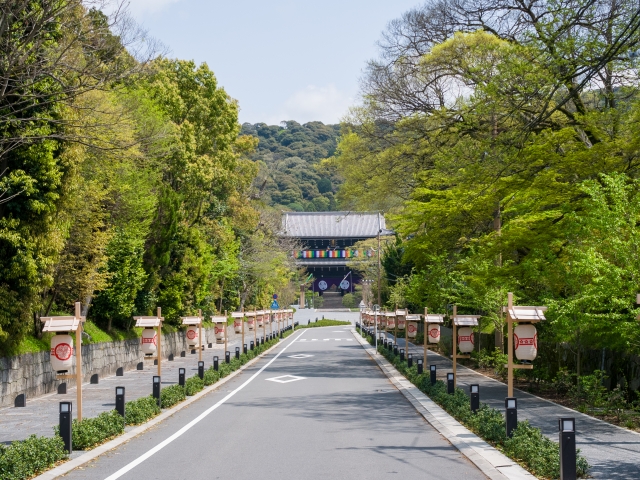
Getting there: Take bus 206 from Kyoto Station to the Chionin-mae stop, or walk 20 minutes from Higashiyama Station on the Tozai Line.
Sensoji Temple, Tokyo
As Tokyo’s oldest Buddhist temple, Sensoji’s New Year’s Eve celebration draws massive crowds to experience its historic bell-ringing ceremony. The temple’s five-story pagoda and expansive grounds create a stunning backdrop for the event. The atmosphere is particularly electric here, as the ceremony blends traditional spirituality with the energy of modern Tokyo.
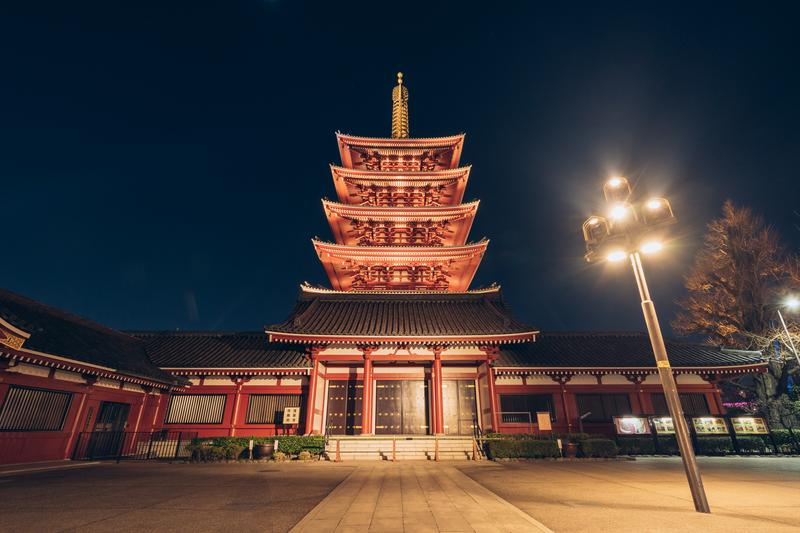
Getting there: Take the Asakusa Line to Asakusa Station, 5-minute walk from Exit 1.
Zojoji Temple, Tokyo
Standing in the shadow of Tokyo Tower, Zojoji offers a unique fusion of old and new Japan. Its bell-ringing ceremony provides spectacular photo opportunities with Tokyo Tower illuminated in the background. The temple’s 17th-century bell resonates with deep, clear tones that seem to pause time itself.
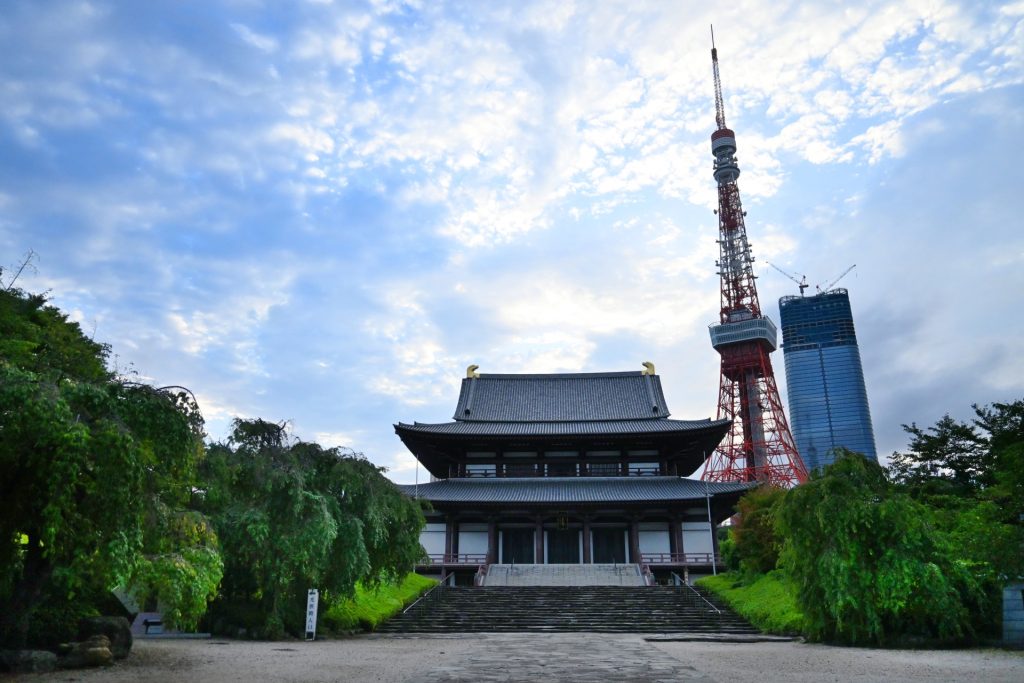
Getting there: 3-minute walk from Onarimon Station on the Mita Line, or 5-minute walk from Daimon Station.
Nara’s Todaiji Temple
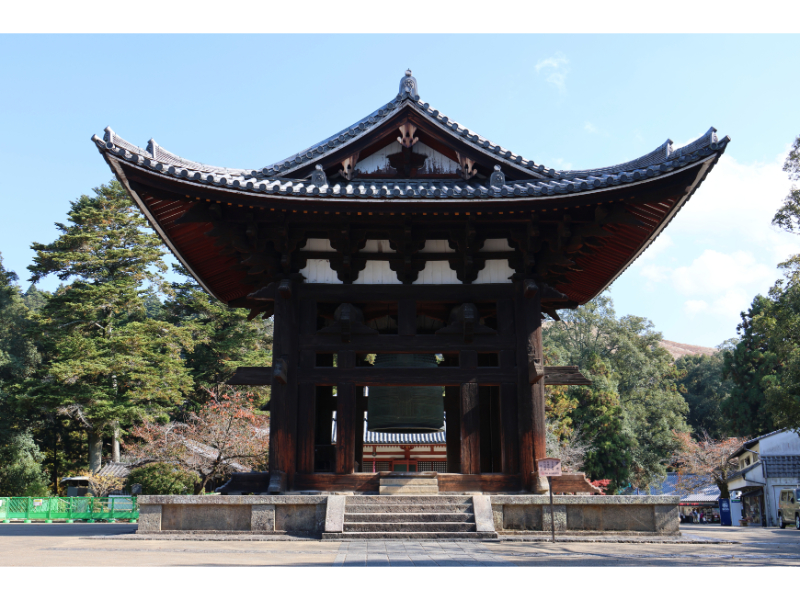
Home to the Great Buddha Hall, Todaiji’s New Year’s Eve ceremony takes place amid UNESCO World Heritage surroundings. The temple’s historic bell, dating back to 752, produces uniquely beautiful tones that echo through Nara Park. The presence of Nara’s famous deer adds to the magical atmosphere.
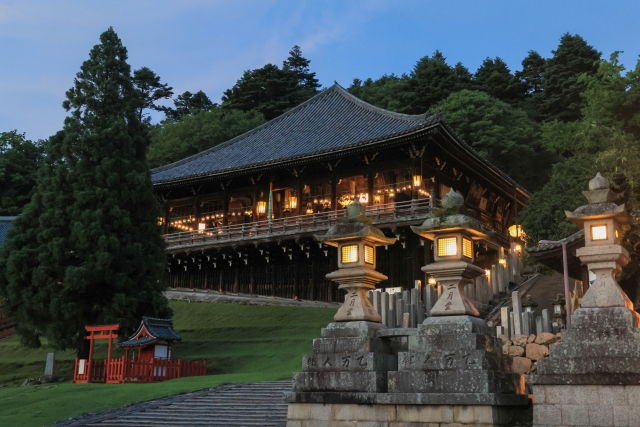
Getting there: 45-minute walk or 20-minute bus ride from Kintetsu Nara Station.
Rengein Tanjoji Temple, Kumamoto
Located in Tamana, this temple offers a more intimate bell-ringing experience. Its hillside location provides stunning views of the surrounding countryside. The temple is famous for allowing visitors to strike the bell with particular vigor, creating especially powerful reverberations.
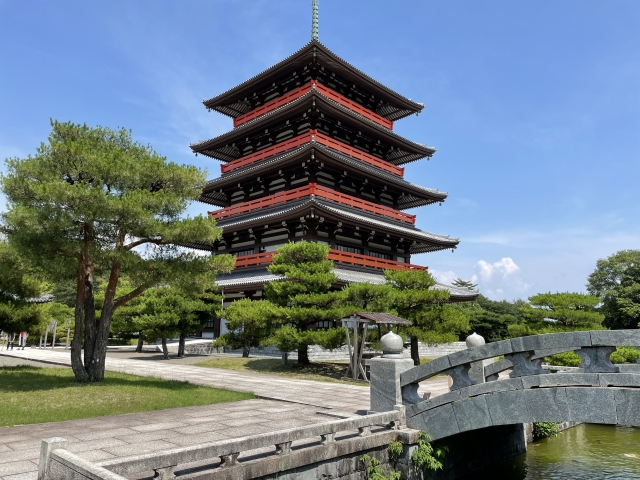
Getting there: 20-minute taxi ride from JR Tamana Station, or take the temple’s special shuttle bus service operating on New Year’s Eve.
These temples each offer unique perspectives on the Joya no Kane tradition, from urban celebrations to serene rural ceremonies. Visitors should arrive early, dress warmly, and be prepared for crowds. Making hotel reservations well in advance is essential, as New Year’s Eve is one of Japan’s busiest travel periods.