Luxury, Tradition, and Excitement: The Ultimate Guide to Exploring Ginza
Tokyo’s Most Glamorous Neighborhood
High-End Shopping Experience
Culinary Delights and Michelin-Starred Restaurants
Traditional and Modern Art Galleries
Architecture and Urban Design
Cultural Experiences and Nightlife
Luxury Brands and Fashion Boutiques
Hidden Gems and Local Secrets
Ginza Unveiled – A Shopper’s Paradise and Cultural Epicenter
Imagine stepping into a world where luxury meets tradition, where every street corner tells a story of elegance and innovation.
Ginza, Tokyo’s most prestigious neighborhood, is more than just a shopping district – it’s a vibrant tapestry of Japanese culture, high-end fashion, and culinary excellence. Located in the heart of Tokyo, this iconic area seamlessly blends cutting-edge modernity with deep-rooted Japanese traditions, creating an unparalleled urban experience that captivates visitors from around the globe.
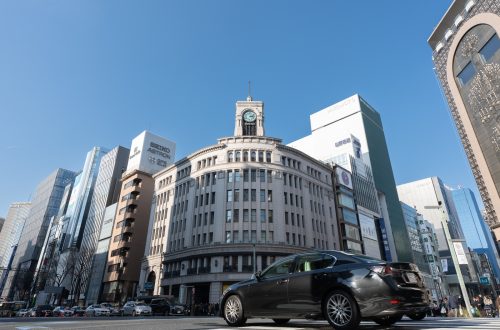
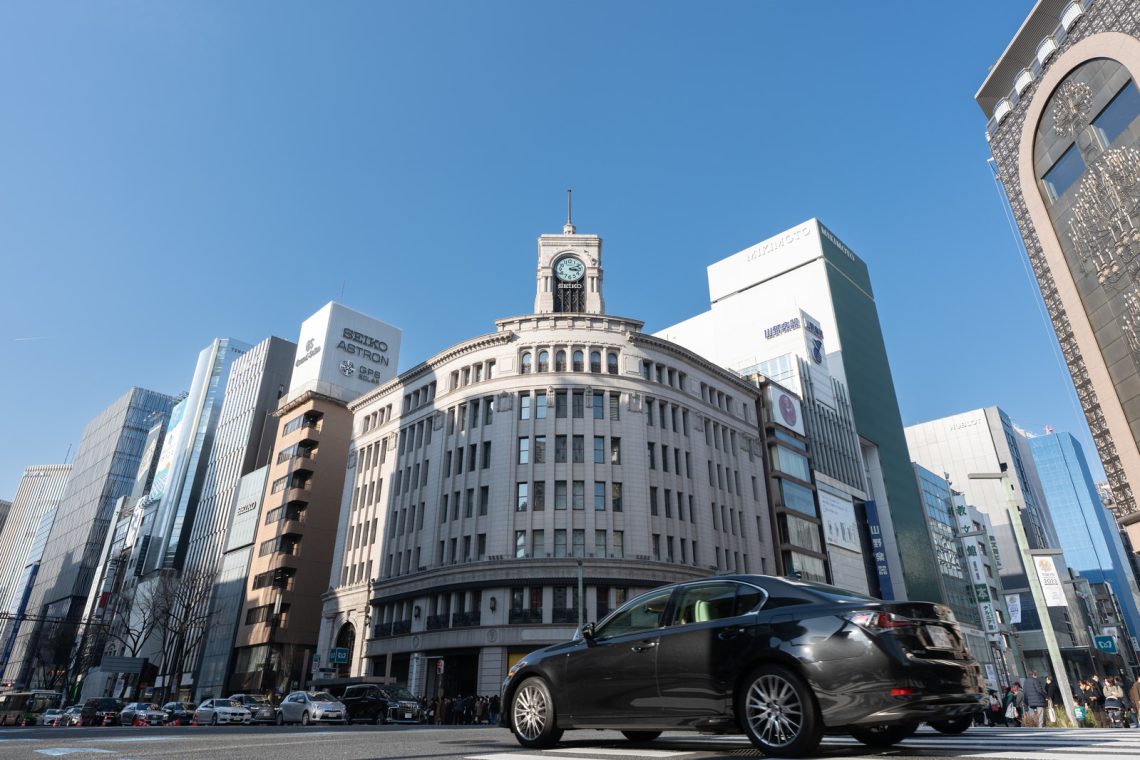
The moment you set foot in Ginza, you’ll be struck by the immaculate streets lined with gleaming flagship stores, world-renowned fashion houses, and architectural masterpieces. The neighborhood’s history dates back to the Meiji era, when it transformed from a silver-coin mint to a symbol of Japan’s rapid modernization. Today, Ginza stands as a testament to Tokyo’s ability to honor its past while constantly reinventing itself. Wide, pedestrian-friendly streets invite you to explore, with massive department stores and boutique shops creating a shopping experience unlike any other in the world.
Shopping Extravaganza – From Luxury Brands to Local Treasures
Flagship Stores and Global Fashion Powerhouses
Walking down Chuo-dori, Ginza’s main street, is like navigating a living museum of global fashion and design. Here, international luxury brands showcase their most spectacular flagship stores, each a architectural marvel in its own right. The Ginza Six complex stands out as a pinnacle of luxury, housing over 240 stores and restaurants in a breathtaking modern structure that combines retail therapy with artistic expression.
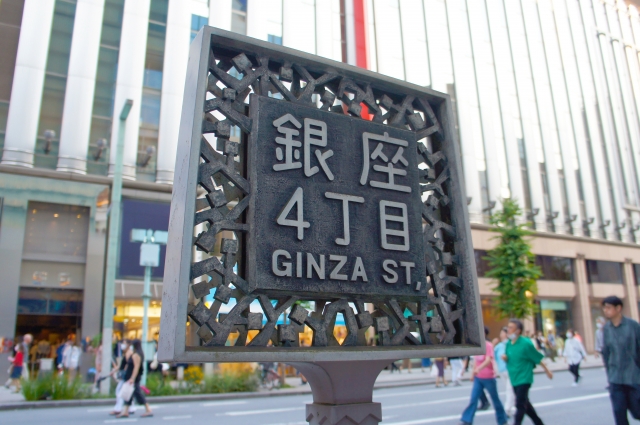
Louis Vuitton’s six-story glass building designed by Jun Aoki is a perfect example of the architectural innovation that defines Ginza. The store’s facade changes appearance throughout the day, reflecting the neighborhood’s dynamic nature. Nearby, the Bulgari flagship store offers not just high-end jewelry and accessories, but an entire experience of Italian luxury translated into Japanese precision.
But Ginza isn’t just about international brands. Local Japanese designers and traditional craft stores offer unique treasures that tell a deeper story of Japanese craftsmanship. Small boutiques tucked away in side streets showcase handmade ceramics, carefully crafted textiles, and artisanal goods that represent centuries of Japanese artistic tradition.
Department Store Culture – A Japanese Shopping Tradition
The department stores of Ginza represent a shopping culture that is uniquely Japanese. Stores like Mitsukoshi and Matsuya are not just shopping destinations but cultural institutions. Each floor is a carefully curated world of its own, from basement food halls offering the most exquisite culinary delights to top-floor restaurants with panoramic views of Tokyo.

The basement food floors, known as depachika, are a sensory explosion. Imagine rows of perfectly arranged bento boxes, intricately designed pastries, fresh seafood, and local delicacies presented with an attention to detail that borders on art. Visitors can sample high-end Japanese and international cuisine, watch skilled artisans prepare food, and purchase beautifully packaged gifts that are as much about presentation as they are about taste.
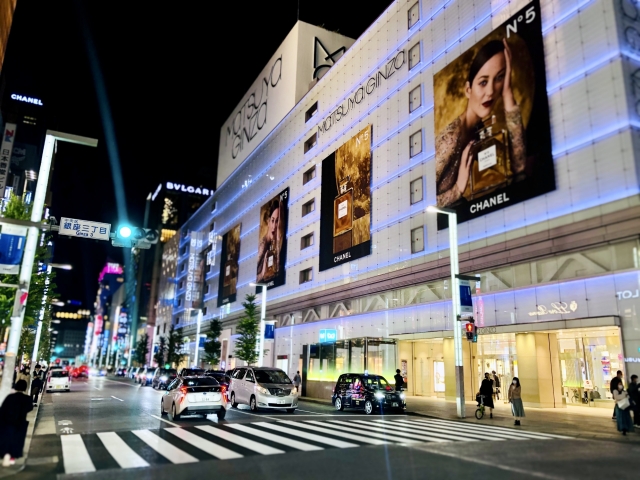
Culinary Delights – A Gastronomic Journey Through Ginza
Michelin-Starred Restaurants and Authentic Japanese Cuisine
Ginza is a paradise for food lovers, home to more Michelin-starred restaurants per square kilometer than perhaps anywhere else in the world. From traditional kaiseki restaurants that offer multi-course meals as intricate as works of art to innovative fusion restaurants pushing the boundaries of culinary creativity, the dining options are endless.
Sushi restaurants here are not just about food, but about experiencing a centuries-old culinary tradition. Small, intimate establishments where master chefs have spent decades perfecting their craft sit alongside modern, innovative sushi bars that reimagine traditional techniques. Each piece of sushi is a delicate balance of flavor, texture, and presentation.
For those seeking traditional Japanese cuisine, restaurants specializing in tempura, wagyu beef, and traditional tea ceremonies offer immersive experiences that go beyond mere dining. The attention to detail in preparation, presentation, and service reflects the essence of Japanese hospitality known as omotenashi.
Art, Culture, and Entertainment – Beyond Shopping
Where tradition meets contemporary creativity, Ginza offers a cultural landscape as diverse and dynamic as Tokyo itself.
Art galleries, traditional theaters, and modern entertainment venues create a rich cultural tapestry that goes far beyond the neighborhood’s reputation as a shopping destination.
The famous Kabukiza Theatre stands as a beautiful reminder of traditional Japanese performing arts. Its ornate architecture and regular kabuki performances offer visitors a glimpse into Japan’s artistic heritage. Modern art galleries like the Ginza Graphic Gallery showcase contemporary design and visual arts, highlighting the neighborhood’s role as a cultural innovator.
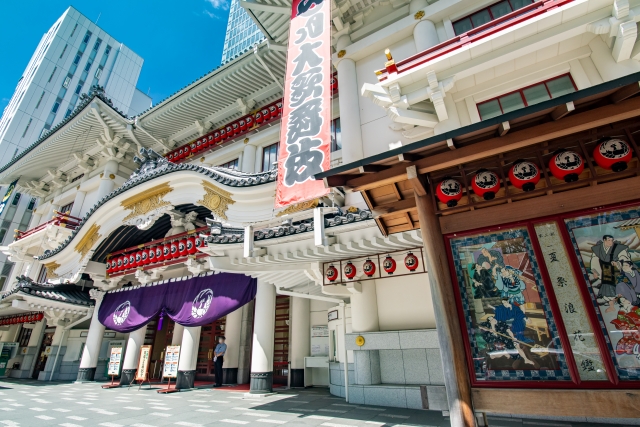
Architectural Marvels and Urban Design
Modern Architecture Meets Historical Significance
Ginza’s skyline is a testament to architectural innovation. Buildings like the Nakagin Capsule Tower (before its recent demolition) and the sleek, modern designs of contemporary architects create a visual dialogue between past and present. Each structure tells a story of Tokyo’s continuous reinvention, with cutting-edge design principles meeting functional urban planning.
Getting There
– Easily accessible via multiple subway lines
– Ginza Station serves multiple train lines
– Walking distance from Tokyo Station
Best Time to Visit
– Spring (March-May) for cherry blossoms
– Autumn (September-November) for mild weather
– Saturday afternoons for car-free streets (pedestrian paradise)
Ginza is more than a destination – it’s an experience that captures the essence of modern Japan. A place where luxury meets tradition, where every street tells a story, and where the past and future coexist in beautiful harmony.