Discovering Akasaka
Tokyo’s Sophisticated Entertainment and Business District
Where Modern Tokyo Meets Traditional Charm
Nestled in the heart of Tokyo, Akasaka presents a fascinating blend of Japan’s business prowess and cultural heritage. This distinguished district, home to foreign embassies and major corporations, transforms from a bustling business hub by day to a vibrant entertainment zone by night. Its strategic location and sophisticated atmosphere make it an ideal base for exploring both the modern and traditional faces of Tokyo.
The district’s unique character comes from its careful preservation of historic sites alongside gleaming skyscrapers. Here, you’ll find centuries-old shrines peacefully coexisting with contemporary architecture, and traditional tea houses operating next to trendy cocktail bars. This duality creates an atmosphere that’s distinctly Akasaka – cosmopolitan yet deeply rooted in Japanese culture.
The Evolution of Akasaka: From Feudal District to Modern Hub
During the Edo period, Akasaka served as a vital rest stop along the Kōshū Kaidō, one of the five centrally administered roads of Japan. The district earned its reputation as an upscale area when several daimyo (feudal lords) established their Tokyo residences here. This prestigious heritage continues to influence Akasaka’s character today, visible in its refined dining scene and high-end hospitality.
The post-war economic boom transformed Akasaka into a major business district, leading to the construction of numerous office buildings and hotels. The 1960s and 70s saw the area become famous for its nightlife, with countless bars and clubs catering to business executives. Modern developments like the ARK Hills complex and the Tokyo Garden Terrace have further enhanced the area’s sophistication while maintaining its historical charm.
The district’s evolution reflects broader changes in Japanese society – from a feudal system to a modern economic powerhouse. Today’s Akasaka represents this journey perfectly, offering visitors a glimpse into both Japan’s past and its vision for the future.
Cultural Landmarks and Modern Architecture
Akasaka’s architectural landscape tells the story of Japan’s modernization while honoring its traditional roots. The district showcases some of Tokyo’s most impressive architectural achievements, from historic shrines to contemporary masterpieces of urban design.
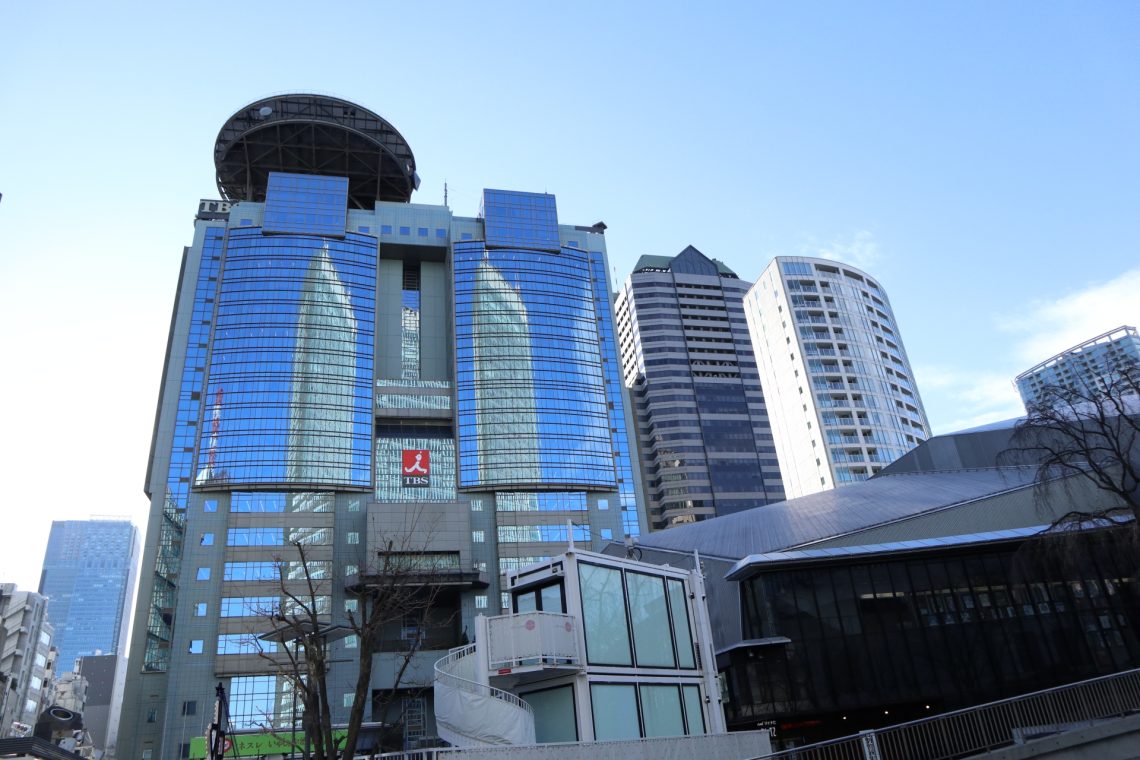
The area’s skyline is dominated by the striking Akasaka Sacas complex, a testament to modern Japanese architecture that houses broadcasting studios, restaurants, and entertainment venues. This development exemplifies how Akasaka has embraced contemporary design while maintaining its cultural identity.
Akasaka Palace: A Glimpse into Royal Heritage
The State Guest House, Akasaka Palace, stands as one of Tokyo’s most magnificent architectural treasures. Built in 1909 as an Imperial residence, this neo-Baroque palace now serves as a prestigious accommodation for visiting state dignitaries. The palace’s beautiful gardens and ornate interiors reflect a unique period in Japanese history when the country was actively incorporating Western architectural elements while maintaining its cultural identity.

Visitors can tour parts of the palace and its grounds during specific periods, offering a rare glimpse into Japan’s royal heritage. The palace’s architecture, a masterful blend of European and Japanese design elements, showcases intricate craftsmanship in every detail, from its crystal chandeliers to its hand-carved wooden details.
The palace gardens, meticulously maintained throughout the seasons, provide a serene escape from the urban bustle. Japanese landscape design principles are subtly integrated with European formal garden elements, creating a unique aesthetic that mirrors the palace’s architectural fusion.
Akasaka Hikawa Shrine: Spiritual Heart of the District
Nestled among modern buildings, Akasaka Hikawa Shrine provides a peaceful sanctuary that has served as the spiritual center of the community for centuries. Dating back to 1730, this Shinto shrine is dedicated to the deity of marriage and relationships, making it a popular destination for both local worshippers and curious visitors.
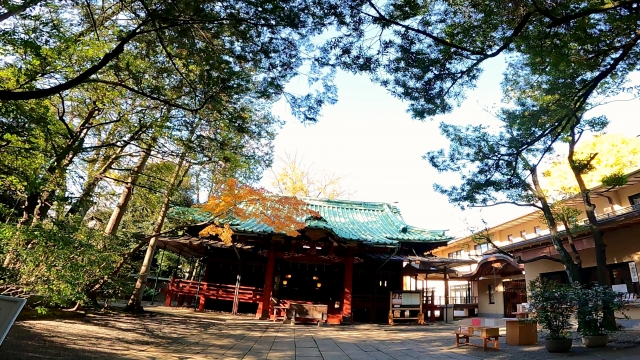
The shrine’s traditional architecture offers a striking contrast to its contemporary surroundings. Its vermillion torii gates and elegant wooden structures transport visitors to a different era, while the carefully maintained grounds provide a quiet space for reflection. During spring and autumn festivals, the shrine comes alive with traditional ceremonies and celebrations that have been observed for generations.
Culinary Excellence and Night Scene
Akasaka’s reputation as a gastronomic destination is well-deserved, offering an impressive range of dining experiences from traditional kaiseki restaurants to innovative modern eateries. The district’s status as a business and diplomatic hub has influenced its culinary landscape, resulting in a sophisticated dining scene that caters to discerning local and international clientele.
The area’s restaurants range from Michelin-starred establishments to hidden local gems, each contributing to Akasaka’s reputation as a food lover’s paradise. As night falls, the district transforms into one of Tokyo’s most refined entertainment districts, with an array of upscale bars and lounges.
From Street Food to Fine Dining: A Gastronomic Journey
Akasaka’s culinary scene reflects its diversity and sophistication. Traditional Japanese restaurants serve exquisite kaiseki meals, while international establishments offer cuisines from around the world. The district’s yatai (food stalls) and casual eateries provide authentic local flavors at more accessible prices.
In recent years, a new wave of innovative chefs has established restaurants in Akasaka, blending traditional Japanese techniques with contemporary culinary approaches. These establishments have earned critical acclaim and attracted food enthusiasts from across the globe.
Business and Entertainment Hub
Akasaka serves as one of Tokyo’s principal business districts, housing the headquarters of major corporations and media companies. The district’s strategic location and excellent infrastructure have made it a preferred location for both Japanese and international businesses.
The presence of the business community has shaped the area’s character, leading to the development of high-end hotels, conference facilities, and entertainment venues. This business-friendly environment coexists harmoniously with tourist attractions, creating a dynamic urban landscape.
Access Guide to Akasaka
Akasaka is highly accessible via Tokyo’s efficient public transportation system. The area is served by multiple subway lines:
– Akasaka Station (Chiyoda Line)
– Akasaka-mitsuke Station (Ginza and Marunouchi Lines)
– Tameike-sannō Station (Ginza and Namboku Lines)
From Narita Airport, take the Narita Express to Tokyo Station, then transfer to the Marunouchi Line to Akasaka-mitsuke Station (approximately 90 minutes).
From Haneda Airport, take the monorail to Hamamatsucho Station, then transfer to the Oedo Line to Akasaka-mitsuke Station (approximately 45 minutes).
The district is walkable and well-served by taxis. Major hotels offer airport limousine bus services for convenient direct access.