Discover Ibaraki
Introduction to Ibaraki Prefecture
Nestled in the Kanto region, Ibaraki Prefecture is a treasure trove of natural beauty, historical landmarks, and unique cultural experiences. Often overshadowed by its more famous neighbors, Ibaraki offers a serene escape from the bustling cities of Tokyo and Yokohama. This prefecture has something for every traveler, from stunning gardens to fascinating museums. Let’s dive into the must-visit spots in Ibaraki that are sure to captivate foreign visitors.
The Beauty of Hitachi Seaside Park
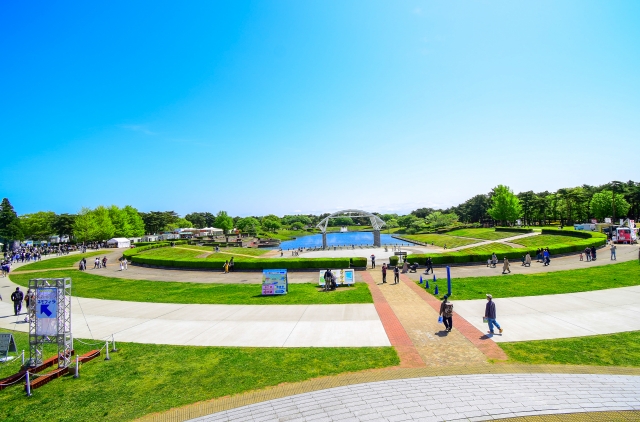
Located in Hitachinaka, Hitachi Seaside Park is a sprawling garden that transforms with the seasons, showcasing a variety of vibrant flowers. The park is blanketed in spring with baby blue eyes (nemophila), creating a breathtaking blue carpet. Summer brings fields of sunflowers, while autumn is adorned with fiery red kochia bushes. This ever-changing landscape offers a picturesque setting perfect for photography enthusiasts and nature lovers alike.
What to Expect
Visitors can explore the park’s extensive walking and cycling paths, offering stunning views of the floral displays. The park also features a small amusement area with a Ferris wheel, giving a bird’s-eye view of the scenic surroundings. Seasonal events, such as the Rock in Japan Festival, add to the park’s charm, making it a lively destination year-round.
Getting There
Hitachi Seaside Park is accessible via the JR Joban Line from Tokyo Station to Katsuta Station, followed by a short bus ride directly to the park.
Kairakuen Garden: One of Japan’s Three Great Gardens
Exploring Kairakuen Garden
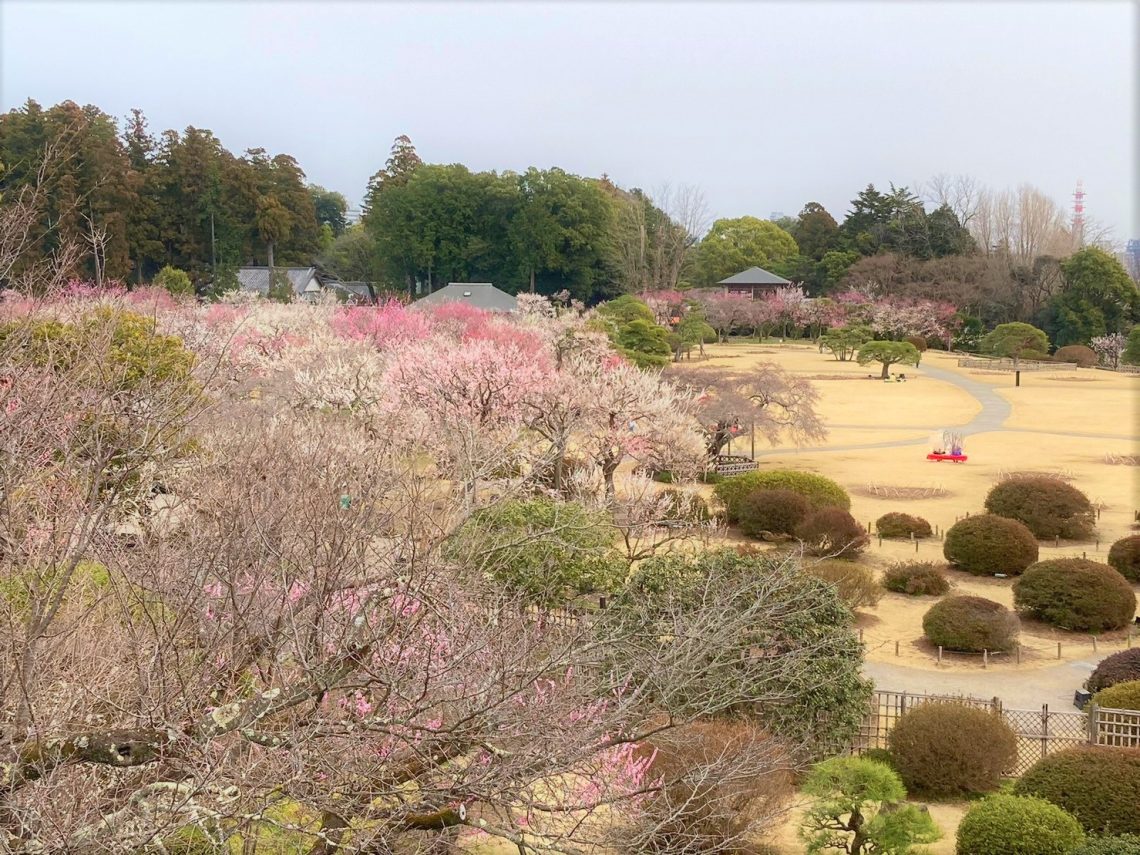
Kairakuen Garden, located in Mito, is renowned as one of Japan’s three great gardens. Founded in 1842, the garden is famous for its plum blossoms, which attract visitors from all over Japan during the blooming season in late winter to early spring. The garden’s name, meaning “A park to be enjoyed together,” reflects its historical role as a place for both feudal lords and the general public to enjoy nature’s beauty.
Highlights of Kairakuen
The garden features a diverse array of landscapes, including bamboo groves, cedar woods, and serene ponds. The Kobuntei, a traditional Japanese building within the garden, offers panoramic views and a glimpse into the architectural style of the Edo period. The Mito Plum Festival is a major highlight, showcasing over 3,000 plum trees in full bloom, accompanied by cultural performances and local delicacies.
Getting There
Kairakuen Garden is accessible via the JR Joban Line from Tokyo Station to Mito Station, followed by a brief bus or taxi ride.
The Splendor of Fukuroda Falls
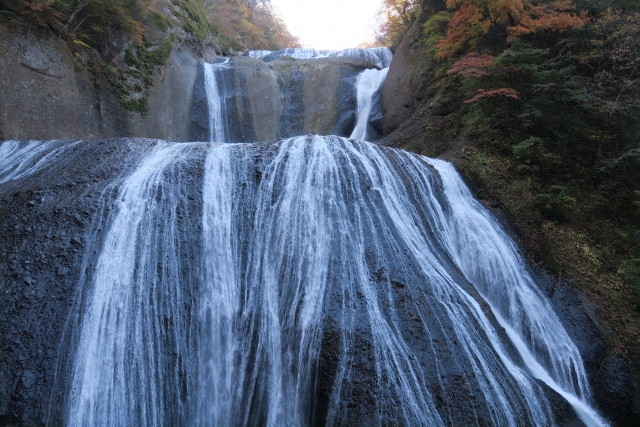
Fukuroda Falls, located in Daigo, is one of Japan’s most famous waterfalls. Often referred to as “Yodo no Taki” or the Four-Level Falls, its name reflects the waterfall’s unique structure, which cascades down four distinct tiers. Each season brings a different charm to the falls – from the lush greenery of summer to the frozen beauty of winter, making it a year-round attraction.
Experiencing Fukuroda Falls
Visitors can enjoy multiple viewpoints of the falls via well-maintained walking trails and observation decks. The surrounding area also offers hot springs, making it an ideal spot for relaxation after a day of hiking. Nearby, the Fukuroda Falls Suspension Bridge provides a thrilling vantage point for adventurous visitors looking to capture the perfect photo.
Getting There
Fukuroda Falls is accessible via the JR Suigun Line from Mito Station to Fukuroda Station, followed by a short bus ride.
Discovering Tsukuba Space Center
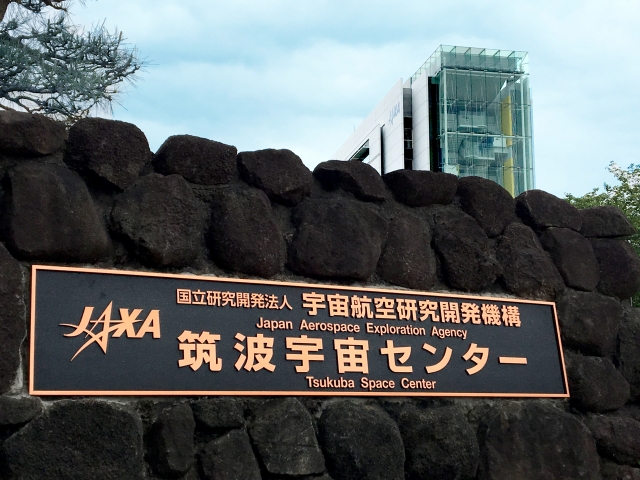
For those fascinated by space and science, the Tsukuba Space Center is a must-visit. Operated by the Japan Aerospace Exploration Agency (JAXA), this facility offers a fascinating glimpse into Japan’s space exploration efforts. The center features interactive exhibits, including full-scale models of rockets and satellites, providing an educational and engaging experience for visitors of all ages.
What to See at Tsukuba Space Center
The Space Dome, a highlight of the center, showcases a variety of space-related artifacts and exhibits. Visitors can learn about the history of Japanese space exploration, see real astronaut suits, and even experience a simulated spacewalk. Guided tours are available, offering in-depth insights into JAXA’s missions and achievements.
Getting There
Tsukuba Space Center is accessible via the Tsukuba Express from Akihabara Station to Tsukuba Station, followed by a short bus or taxi ride.
How to Get to Ibaraki Prefecture
Ibaraki is conveniently accessible from Tokyo, making it an easy addition to any travel itinerary. The JR Joban Line connects Tokyo with several key cities in Ibaraki, including Mito and Hitachinaka. Buses and local trains offer additional routes to explore the prefecture’s many attractions. Whether you’re seeking natural beauty, historical landmarks, or modern science, Ibaraki Prefecture promises a memorable journey for every traveler.