
Guide to International Airports in Japan
Here are the major international airports in Japan accessible for flights
Narita International Airport – Located in Narita, Chiba Prefecture, approximately 60km east of central Tokyo. It mainly serves international flights from Asia, Europe, and North America.
Haneda Airport – Positioned in Ota, Tokyo, closer to the city center compared to Narita Airport. It serves international flights primarily from Asia, North America, and Oceania.
Kansai International Airport – Situated in Izumisano, Osaka Prefecture, about 50km from downtown Osaka. It operates international flights from Asia, Europe, and North America.
Chubu Centrair International Airport – Located in Tokoname, Aichi Prefecture, approximately 30km south of downtown Nagoya. It serves international flights from Asia, Europe, and North America.
Fukuoka Airport – Positioned in Hakata-ku, Fukuoka, about 5km from downtown Fukuoka. It primarily serves international flights from Asia.
Hokkaido, located in northern Japan, also has an international airport.
Overview of international airports in each region
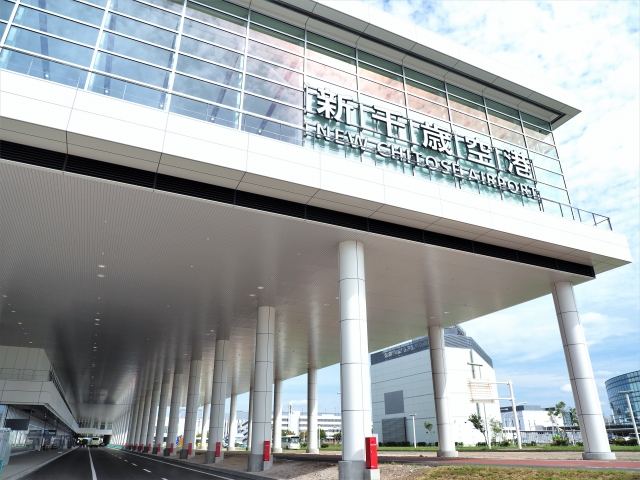
New Chitose Airport is Located near Sapporo, the central city of Hokkaido, Japan. It is one of the major airports in Japan, handling both domestic and international flights. For domestic flights, there are many routes connecting Sapporo and other cities within Hokkaido, as well as destinations in Honshu and Kyushu, the main islands of Japan. For international flights, New Chitose Airport serves destinations primarily in Asia, including China, Korea, and Taiwan.
Furthermore, New Chitose Airport plays a crucial role as the gateway to Hokkaido, providing relatively easy access to Sapporo and other destinations within the prefecture. Various transportation options, such as regular buses and the JR train, are available for travelers to reach downtown Sapporo. The airport also offers a wide range of facilities, including dining options, shops, and car rental services.
Narita International Airport is located in Narita, Chiba Prefecture, approximately 60 kilometers from central Tokyo. Narita International Airport is one of Japan’s major international airports, serving as a hub for flights from around the world. Many airlines operate international routes, primarily to and from Asia, Europe, and North America, making it a key gateway to Tokyo.
The airport consists of both international and domestic terminals. The international terminal offers a variety of facilities such as duty-free shops, restaurants, and lounges. Meanwhile, the domestic terminal handles flights to various destinations within Japan.
Access to Narita International Airport is available via public transportation options such as the Narita Express train, limousine buses, and express buses. Taxis and rental cars are also available for transportation to and from the airport.
In addition to passenger travel, Narita International Airport is a major hub for cargo transportation, playing a significant role in trade with destinations worldwide.

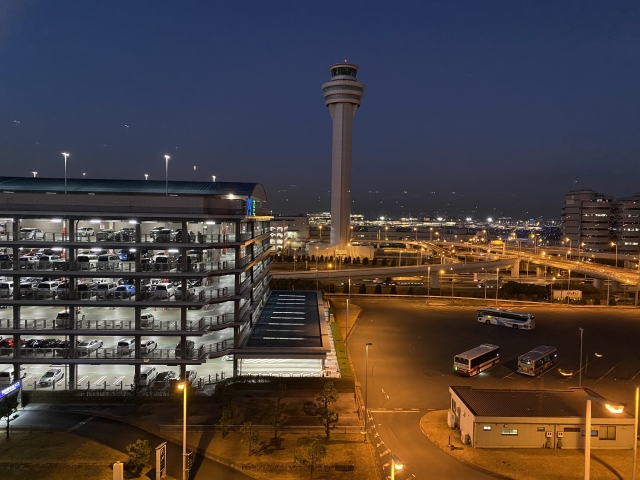
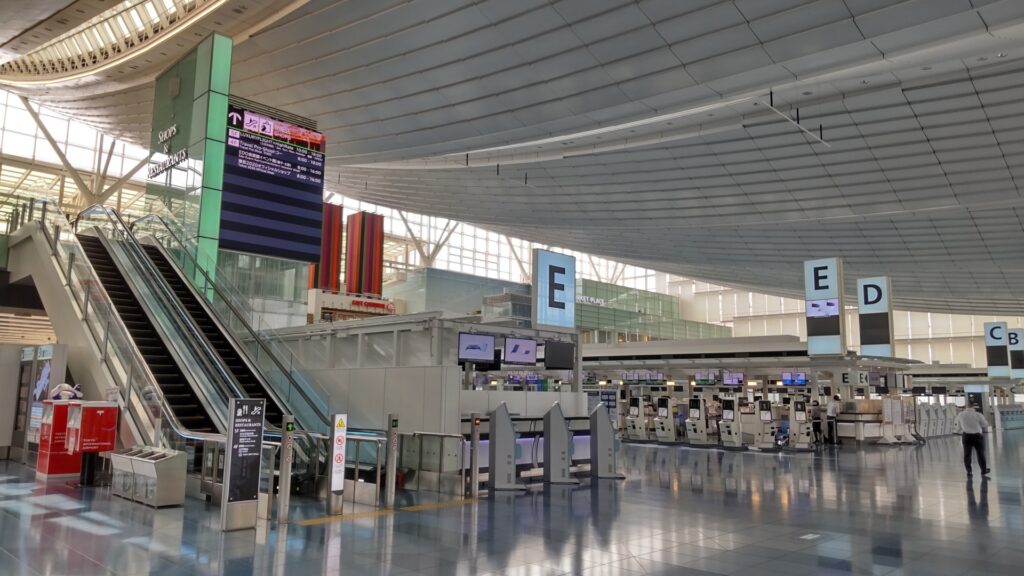
Haneda Airport, officially known as Tokyo International Airport, is located in Ota, Tokyo, and is closer to the city center compared to Narita Airport. Here are some key points:
Domestic and International Flights: Haneda Airport operates both domestic and international flights. It serves as a major hub for domestic flights to various destinations across Japan and offers international flights primarily to and from Asia, North America, and Oceania.
Access: Haneda Airport is easily accessible from central Tokyo via various transportation options including trains, buses, and taxis. The Tokyo Monorail and Keikyu Railway provide direct access to the airport from different parts of the city.
Terminals: The airport consists of three terminals – Terminal 1, Terminal 2, and the International Terminal. Each terminal offers a range of facilities including shops, restaurants, lounges, and other amenities for travelers.
Expansion and Renovation: In recent years, Haneda Airport has undergone significant expansion and renovation efforts to accommodate the increasing number of passengers and improve its facilities. This includes the addition of new terminal buildings and the enhancement of transportation infrastructure.
Haneda Airport plays a crucial role in serving the air travel needs of Tokyo and the surrounding regions, offering convenience, accessibility, and a wide range of services for travelers.
Kansai International Airport is located in Izumisano, Osaka Prefecture, approximately 50 kilometers from downtown Osaka.
International Hub: Kansai International Airport serves as a major international hub for air travel to and from Japan. It offers flights to various destinations across Asia, Europe, and North America, among others.
Domestic Flights: In addition to international flights, Kansai Airport also operates domestic flights to major cities within Japan, including Tokyo, Sapporo, and Fukuoka, among others.
Access: The airport is well-connected to downtown Osaka and other nearby cities by various transportation options, including trains, buses, and taxis. The JR West Kansai Airport Line and the Nankai Electric Railway provide direct access to the airport from Osaka and other parts of the Kansai region.
Terminal Facilities: Kansai International Airport consists of two terminals – Terminal 1 and Terminal 2. Both terminals offer a wide range of facilities and services for travelers, including shops, restaurants, lounges, and other amenities.
Island Structure: One unique feature of Kansai Airport is its island structure, built on artificial islands in Osaka Bay. This design allows for efficient operation and expansion of the airport’s facilities.
Kansai International Airport plays a vital role in facilitating air travel to and from the Kansai region, offering convenient access to domestic and international destinations with its modern facilities and transportation connections.
Chubu Centrair International Airport is located in Tokoname, Aichi Prefecture, approximately 30 kilometers south of downtown Nagoya.
International and Domestic Flights: Chubu Centrair International Airport serves as a major hub for both domestic and international flights. It offers connections to various destinations across Asia, Europe, and North America, as well as domestic flights to major cities within Japan.
Access: The airport is well-connected to Nagoya and other surrounding areas by various transportation options, including trains, buses, and taxis. The Meitetsu Airport Line provides direct access to the airport from Nagoya Station, while highway buses and taxis are also available.
Terminal Facilities: The airport consists of a main terminal building, which houses both international and domestic terminals. The terminals offer a wide range of facilities and services for travelers, including shops, restaurants, lounges, and other amenities.
Runway and Design: Chubu Centrair International Airport features a 3,500-meter runway and a modern, spacious terminal designed with efficiency and passenger comfort in mind. The airport’s layout allows for smooth operations and convenient access to facilities.
Cargo Handling: In addition to passenger flights, Chubu Centrair International Airport is also a major hub for cargo transportation, handling a significant volume of air cargo to and from various destinations worldwide.
Chubu Centrair International Airport plays a crucial role in facilitating air travel and cargo transportation in the Chubu region, offering modern facilities, convenient access, and a wide range of flight options for travelers.
Fukuoka Airport is located in Hakata-ku, Fukuoka City, approximately 5 kilometers from the city center. Domestic and International Flights: Fukuoka Airport handles both domestic and international flights. It offers numerous flights to major cities and regional destinations within Japan. Additionally, it operates international flights to various destinations across Asia and some international destinations.
Access: Fukuoka Airport is easily accessible from the city center via subway, bus, or taxi. Direct buses and subway lines connect the airport to various parts of Fukuoka City, providing convenient access for travelers.
Terminals: The airport consists of terminals for domestic and international flights. Both terminals feature facilities such as duty-free shops, restaurants, cafes, lounges, and shops, catering to the needs of travelers.
Gateway to the Region: Fukuoka Airport serves as a gateway to the Kyushu region, playing a crucial role in facilitating tourism and business travel. It contributes to the region’s economy and cultural exchange.
Fukuoka Airport provides convenient access and modern facilities, serving as an important transportation hub for visitors to Fukuoka City and the Kyushu region.